The best platform for B2B video marketing is LinkedIn for thought leadership and authority building, YouTube for SEO and evergreen education, and your website for conversion-focused content. The answer isn't choosing one, it's using each strategically based on their strengths.
Here's the framework that works: LinkedIn for discovery and engagement, YouTube for deep expertise, and your website for closing deals.
LinkedIn is where B2B buyers discover new vendors, research solutions, and engage with thought leaders in their industry. If you're selling to businesses, LinkedIn should be your primary social platform.
Why LinkedIn Works for B2B:
Your audience is already there during work hours, actively looking for business solutions. According to LinkedIn data, B2B decision makers spend 17% more time on LinkedIn than other social platforms. They're in work mode, researching vendors and evaluating solutions.
Video content on LinkedIn generates 5x more engagement than text posts. The algorithm heavily favors native video uploads over external links, making it ideal for building organic reach.
What to Post on LinkedIn:
Industry insights and trend commentary. Problem identification and solution frameworks. Company culture and behind-the-scenes. Client success stories and case studies. How-to content solving specific business problems.
Keep videos 60-90 seconds for optimal completion rates. Always add captions since 80% of users watch without sound.
YouTube is the second-largest search engine after Google, making it essential for long-tail SEO and educational content that compounds over time.
Why YouTube Works for B2B:
B2B buyers research extensively before making decisions. According to Google, 70% of B2B buyers watch videos throughout their path to purchase. YouTube videos rank in Google search results, giving you visibility beyond social media followers.
Content on YouTube has a longer shelf life than social media. A well-optimized tutorial can generate views and leads for years, unlike social posts that disappear from feeds within days.
What to Post on YouTube:
Detailed product demos and walkthroughs. Industry education and training content. Problem-solving tutorials and how-tos. Webinar recordings and conference talks. Deep-dive case studies with full context.
Optimal length: 8-15 minutes. YouTube's algorithm favors watch time, so comprehensive content that keeps viewers engaged performs better than short clips.
Your website is where prospects make buying decisions. Video on your website can increase conversion rates by 80% according to Wyzowl research.
Why Website Video Works for B2B:
Visitors to your website are further down the funnel than social media scrollers. They're actively researching your company and evaluating whether to reach out. Video helps them understand your value faster than text alone.
Where to Use Video on Your Website:
Homepage hero: 60-90 second brand video explaining what you do, who you serve, and why it matters. Product/service pages: 2-3 minute demos showing your solution in action. About page: Founder story or team introduction building trust and connection. Testimonial/case study pages: Client transformation stories with measurable results. FAQ page: Short videos answering common objections.
The businesses winning at B2B video marketing use all three platforms strategically, not randomly.
The Funnel Alignment:
Top of funnel (Awareness): LinkedIn short-form thought leadership drives discovery. Middle of funnel (Consideration): YouTube long-form education establishes expertise. Bottom of funnel (Decision): Website video overcomes objections and drives conversion.
This approach meets prospects at every stage with the right content in the right format on the right platform.
Each platform has different audience expectations around production quality and style.
LinkedIn Production:
Professional but authentic. Simple talking-head videos with good lighting and audio perform well. Screen recordings for tutorials. Mobile phone quality is acceptable if the insight is valuable. Focus on message over production polish.
YouTube Production:
Higher production value expected for longer content. Better lighting, audio, and editing keep viewers engaged through 10-15 minute videos. B-roll and screen recordings support narrative. Professional doesn't mean overproduced, clarity and value matter most.
Website Production:
Highest production quality. This video represents your brand to prospects evaluating vendors. Professional filming, editing, motion graphics, and sound design signal credibility and professionalism.
Creating great content is half the work. Strategic distribution across platforms is the other half.
The Content Atomization Framework:
Start with one long-form piece (10-minute YouTube video). Extract 3-4 key insights as 60-90 second LinkedIn posts. Create a blog post from the transcript for SEO. Embed relevant sections on website pages. Use the best-performing LinkedIn clip in paid ads.
This approach maximizes ROI on production time by leveraging one piece of content across multiple platforms and formats.
Organic reach is valuable, but paid amplification accelerates results when done strategically.
LinkedIn Ads:
Cost: $5-$10 per click, but high intent leads. Best for: Targeting specific job titles, industries, company sizes. Use for: Promoting gated content, event registrations, demo requests. ROI: Higher cost per lead but larger deal sizes justify investment.
YouTube Ads:
Cost: $0.10-$0.30 per view. Best for: Reaching people searching for solutions like yours. Use for: Educational content that positions you as the expert. ROI: Lower cost per view, longer sales cycles, but excellent for building awareness.
Website Video:
Use retargeting pixels to show social ads to website visitors who watched your videos. This keeps you top-of-mind as they research multiple vendors.
Each platform requires different success metrics aligned with its role in your funnel.
LinkedIn Metrics:
Engagement rate (comments, shares, saves). Follower growth from ideal customer profile. Profile views and connection requests from target accounts. These indicate awareness and consideration.
YouTube Metrics:
Watch time and average view duration. Subscriber growth and notification opt-ins. Click-through rate to website from video descriptions. These indicate expertise positioning and interest.
Website Video Metrics:
Conversion rate lift on pages with video vs. without. Demo requests and sales calls booked. Time on page and bounce rate improvement. These indicate buying intent and decision-making.
Adapt the same core content for each platform. Post a 60-90 second version natively to LinkedIn, and the full 8-12 minute version to YouTube. Don't just link to YouTube from LinkedIn, the algorithm penalizes external links.
LinkedIn typically generates higher intent leads for B2B because users are in work mode actively researching solutions. YouTube generates higher volume but earlier-stage leads who are still in education mode.
Start with 60% LinkedIn for authority building, 30% YouTube for SEO and education, 10% website video for conversion. Adjust based on which platform drives the most qualified pipeline for your specific business.
Yes. LinkedIn prefers authentic, conversation-style thought leadership. YouTube rewards comprehensive, well-structured education. Website video should be polished and conversion-focused with clear CTAs.
That's an opportunity, not a problem. Being early to video in your industry positions you as an innovator and gives you algorithmic advantages as platforms favor accounts posting consistently.
Continue learning about video marketing:
The best B2B video marketing strategy uses LinkedIn for discovery, YouTube for education, and your website for conversion. Each platform plays a distinct role in moving prospects from awareness to decision.
At INDIRAP, we help B2B companies build multi-platform video strategies that drive measurable pipeline growth. From LinkedIn thought leadership to YouTube SEO to website conversion videos, we provide the strategy and execution to maximize ROI.
Ready to build your B2B video marketing strategy? Comment CLARITY below for our free Video Marketing Guide, or book a free Discovery Call to discuss your platform-specific video strategy.
Whichever platform fits your audience, the win is publishing consistently; a done-for-you social media content creation program keeps you visible without the lift.
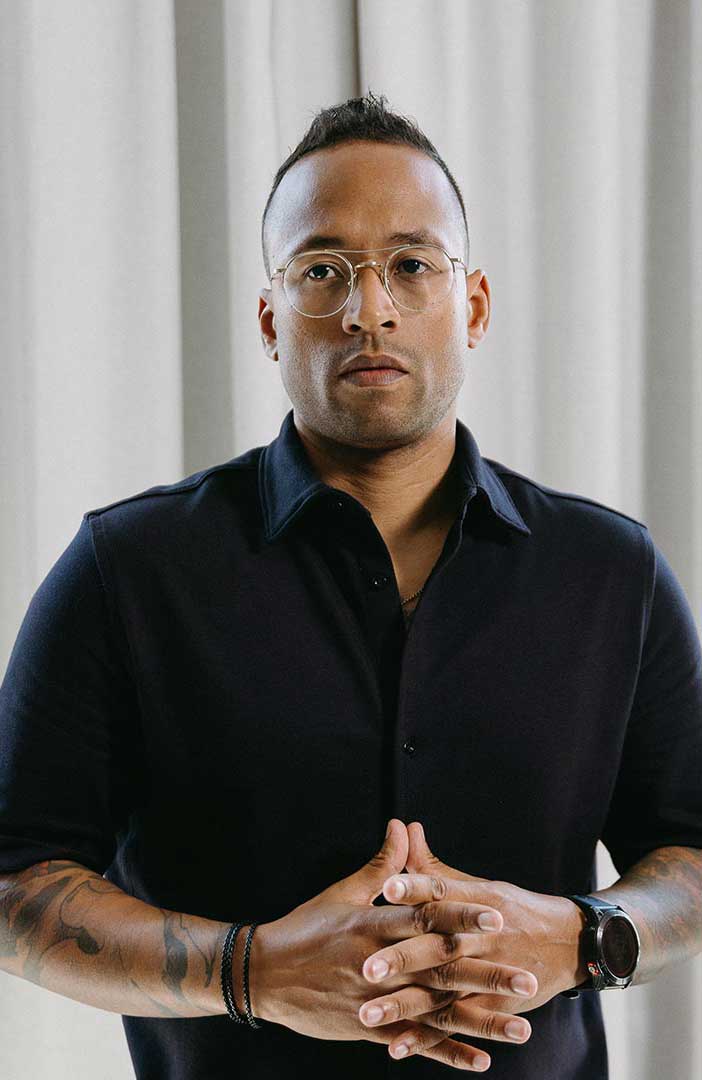

Julian Tillotson is the Founder & CEO of INDIRAP, a full-service video production and creative strategy agency based in Chicago, IL. With 10+ years of experience, INDIRAP has delivered 20,000+ videos to 900+ clients across 40+ industries, making it one of North America's leading digital creative agencies.


.png)
.png)