https://youtube.com/shorts/7SbXfr7SA4g?feature=share
The right platform for your business depends on three factors: who you're selling to, what you're selling, and how visually compelling your product or service is. The answer isn't always obvious, and sometimes it's both platforms—but used very differently.
Here's the framework that works: start with one platform, dominate it for 90 days, then expand strategically.
If you sell to businesses, provide professional services, or target decision makers in enterprise companies, LinkedIn should be your primary platform.
What Works on LinkedIn:
Thought leadership and industry insights. Behind-the-scenes of your business operations. Client success stories and case studies. How-to content solving specific business problems. Company culture and team spotlights.
According to LinkedIn's own data, video posts generate 5x more engagement than text posts. But the LinkedIn audience has specific expectations. They're there to learn, network, and stay informed about their industry—not to be entertained.
Content Format:
60-90 second videos work best. Longer is fine for in-depth tutorials (3-5 minutes), but the sweet spot is short enough to watch during a coffee break. Always add captions because 80% of LinkedIn users watch without sound.
If you sell to consumers, have a visually compelling product, or target creative professionals, Instagram should be your primary platform.
What Works on Instagram:
Product demonstrations and unboxings. Before-and-after transformations. Behind-the-scenes of your creative process. User-generated content and customer features. Lifestyle content showing your product in use.
Instagram Reels get 2-3x more reach than feed posts. The algorithm heavily favors short-form vertical video, particularly content that keeps viewers watching until the end.
Content Format:
30-60 seconds for Reels. Hook viewers in the first 3 seconds or they'll scroll. Use trending audio strategically but don't force it. Focus on value-first content, not just promotional material.
Your platform choice should be driven by where your ideal customer actually spends their time making decisions, not where you wish they spent time.
Choose LinkedIn If Your Audience Is:
B2B decision makers (VPs, Directors, C-suite). Professional services buyers (consulting, legal, finance). Enterprise software purchasers. Anyone who researches business solutions during work hours.
Choose Instagram If Your Audience Is:
Consumers making personal purchase decisions. Creative professionals (designers, photographers, artists). Anyone buying visually-driven products (fashion, beauty, home decor, food). Millennials and Gen Z making lifestyle purchases.
Complex products and services that require explanation tend to perform better on LinkedIn. Simple, visually obvious products perform better on Instagram.
LinkedIn Advantage:
If your product requires understanding a business problem first, LinkedIn is your platform. Enterprise software, consulting services, B2B SaaS, professional training—these all need context and explanation that LinkedIn audiences expect.
Instagram Advantage:
If your product is immediately visually understandable, Instagram wins. Physical products, food and beverage, fashion, fitness, beauty—these show better than they tell.
The production requirements and content style differ significantly between platforms.
LinkedIn Production:
Professional but authentic. Polished doesn't mean overproduced. Talking head videos with good lighting and audio work perfectly. Screen recordings with voiceover for tutorials. Simple B-roll to support narrative. The focus is on insight, not production value.
Instagram Production:
Visual quality matters more. Aesthetic consistency across posts. Dynamic editing and fast cuts to maintain attention. Vertical 9:16 format optimized for mobile. Trending music and effects when appropriate.
The platforms reward different posting cadences and have different optimal posting times.
LinkedIn Posting Strategy:
Post 2-3 times weekly during business hours. Tuesday-Thursday 9 AM-2 PM typically performs best. The algorithm favors consistency over frequency. One great post weekly beats three mediocre posts.
According to LinkedIn data, posts published during business hours (9 AM-5 PM ET) get 30% more engagement than posts published evenings or weekends.
Instagram Posting Strategy:
Post 4-7 Reels weekly for optimal algorithm performance. Timing matters less than consistency. The algorithm shows content to followers over 24-48 hours regardless of posting time. Focus on posting at times you can engage with comments immediately.
You don't have to choose exclusively. Many businesses use both platforms effectively—but with different content strategies for each.
Example Hybrid Strategy:
Primary Platform: LinkedIn (3 posts weekly, B2B thought leadership). Secondary Platform: Instagram (2 Reels weekly, behind-the-scenes and culture content).
This approach positions you as an industry expert on LinkedIn while humanizing your brand on Instagram. The content doesn't need to be identical—adapt the message and format to each platform's audience expectations.
The platform that drives better results depends entirely on where your customers are and how they make buying decisions.
B2B Sales Cycles:
LinkedIn typically drives higher quality leads for B2B companies. According to multiple studies, LinkedIn is 277% more effective at generating leads than Facebook and Instagram for B2B businesses.
The average deal size from LinkedIn leads tends to be higher because you're reaching decision makers directly, not consumers browsing casually.
Consumer Sales Cycles:
Instagram drives higher conversion rates for e-commerce and consumer brands. Vidyard research shows that 64% of consumers make a purchase after watching branded social videos.
Instagram's shopping features and direct checkout reduce friction in the buying journey, making it more effective for impulse purchases and visual products.
You can repurpose the core message, but adapt the format and delivery for each platform. LinkedIn prefers 16:9 landscape, Instagram prioritizes 9:16 vertical. LinkedIn wants business insights, Instagram wants visual storytelling. Same core message, different execution.
LinkedIn for B2B services (consulting, legal, financial). Instagram for consumer services with visual components (fitness, beauty, home services). If your service requires trust and expertise demonstration, LinkedIn wins. If it's visually transformative, Instagram wins.
Commit to one platform for 90 days minimum. Prove you can post consistently and generate engagement before splitting attention across multiple platforms. Adding a second platform too early typically results in mediocre performance on both.
LinkedIn ads cost more per click ($5-$10) but generate higher quality B2B leads with larger deal sizes. Instagram ads cost less per click ($0.50-$3) but drive higher volume for consumer products. ROI depends on your customer lifetime value and sales cycle length.
Competitor presence validates that your audience is there. Focus on differentiation through your unique perspective and consistency, not platform selection. Being more helpful and more consistent beats being on a different platform.
Continue learning about video marketing:
The right platform for your business depends on your audience, product complexity, and visual assets. Start with one platform, master it, then expand strategically.
At INDIRAP, we help businesses build platform-specific video strategies that drive measurable results. Whether you're building authority on LinkedIn or driving sales on Instagram, we provide the strategy and execution to maximize ROI.
Ready to build your platform strategy? Comment CLARITY below for our free Video Marketing Guide, or book a free Discovery Call to discuss your platform-specific video strategy.

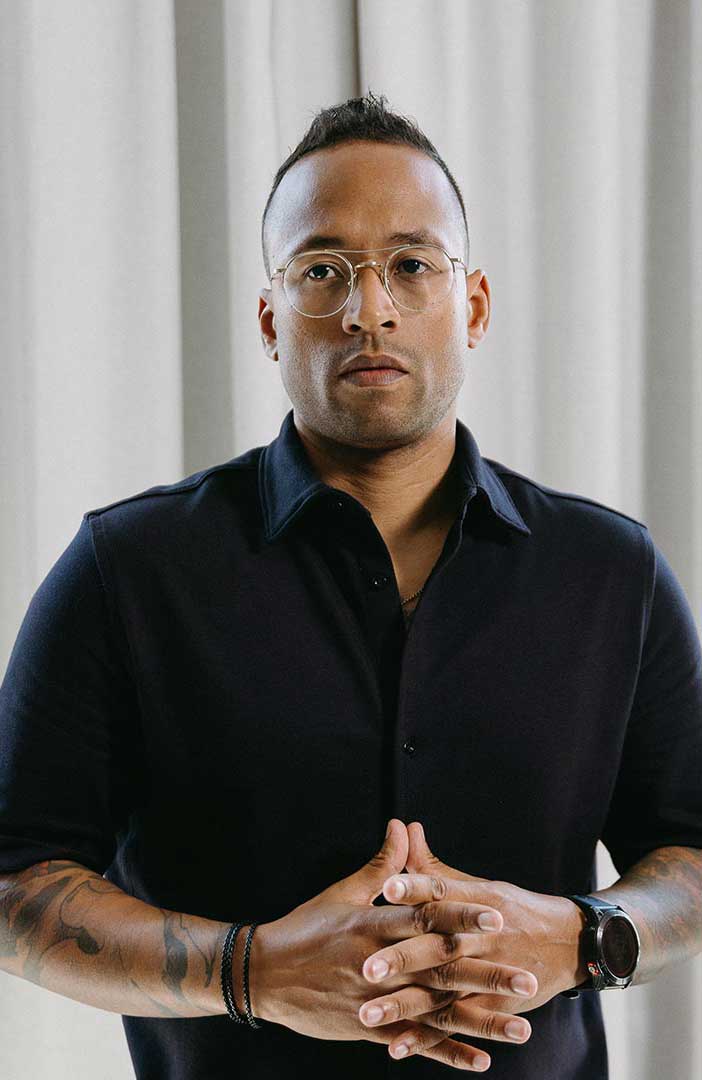
Julian Tillotson is the Founder & CEO of INDIRAP, a full-service video production and creative strategy agency based in Chicago, IL. With 10+ years of experience, INDIRAP has delivered 20,000+ videos to 900+ clients across 40+ industries, making it one of North America's leading digital creative agencies.