Yes, AI search engines use video, but mostly indirectly. They rarely watch the footage frame by frame. Instead they read the text around it, the transcript, captions, title, description, and schema, and they draw on YouTube, which Google owns. So a video with a published transcript and VideoObject schema can absolutely be surfaced and cited by ChatGPT, Perplexity, Gemini, and Google AI Overviews.
The short version: AI reads your video through its text. Give it good text and your video becomes usable. This guide is part of our video-first guide to answer engine optimization.
For the most part, no. Today's answer engines are strongest at reading and reasoning over text. They understand a video primarily through the text attached to it: the transcript, captions, title, description, and structured data. A video with none of that is nearly invisible to them. A video with a clean transcript and schema is fully legible.
Each of these systems favors clear, well-sourced text. When your video comes with an on-page transcript and schema, its expertise enters the same text layer these models read, so it can be summarized and cited like any article. Gemini and Google AI Overviews have the added advantage of YouTube integration, since Google owns YouTube, which is one more path for a well-optimized video to be surfaced.
Four things. A published transcript that turns speech into readable text. Accurate captions that give platforms a reliable text layer. VideoObject schema that labels the video's details, including the transcript. And an answer-first page that states the key answer up front. Together these move a video from opaque footage to a citable source.
Publish every important video on a page you control, lead with a direct answer, include the full transcript, and add VideoObject and FAQPage schema. Optimize the same video on YouTube with a specific title, an answer-first description, chapters, and captions. For the step-by-step, see how to optimize YouTube for AI search and how to write a video transcript for SEO.
INDIRAP builds video that AI can read and cite, produced, transcribed, structured, and schema-marked. Explore our video production work and Content Kit, or book a strategy call.
Yes, but mostly indirectly. AI engines rarely watch footage frame by frame. They read the text attached to a video, the transcript, captions, title, description, and schema, and they draw on YouTube, so a video with a published transcript and VideoObject schema can be surfaced and cited.
ChatGPT understands video primarily through its text: the transcript, captions, and surrounding page content. A video with an on-page transcript and schema enters the text layer these models read, so it can be summarized and cited like an article. A video without that text is largely invisible to it.
Publish a full transcript, add accurate captions, mark the video up with VideoObject schema including the transcript, and lead the page with a direct answer. These four steps turn opaque footage into a source that AI answer engines can read and cite.
ChatGPT, Perplexity, Gemini, and Google AI Overviews can all surface video content through its text and, for Google's products, through YouTube integration. The common requirement is machine-readable text: a transcript, captions, and schema attached to the video.
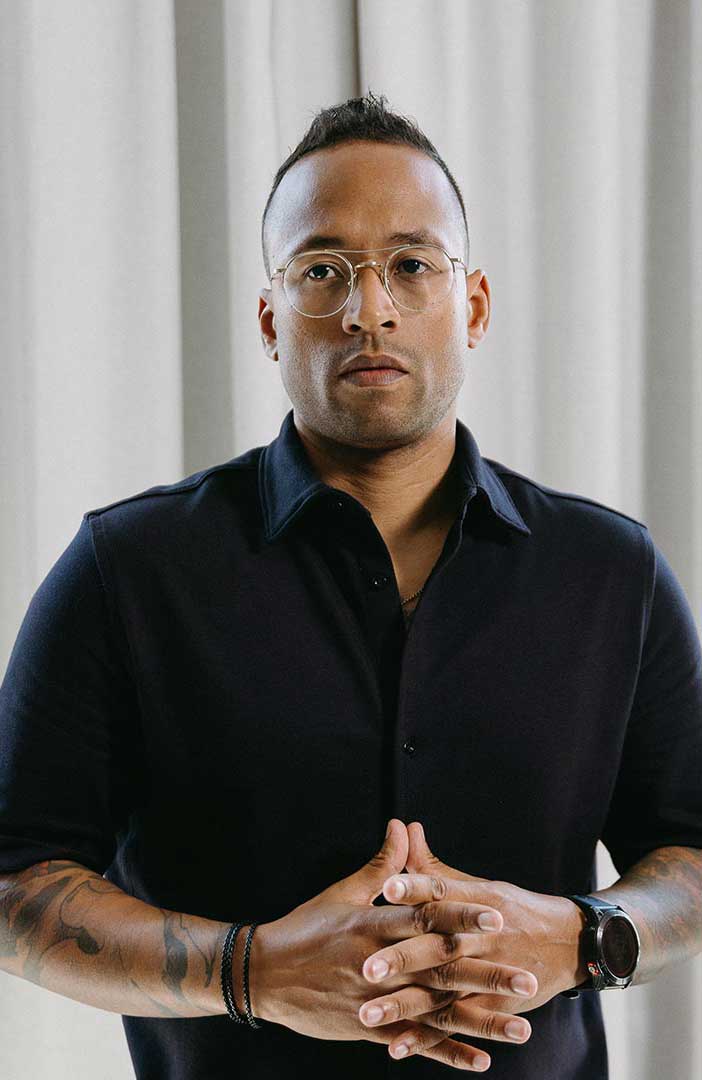

Julian Tillotson is the Founder & CEO of INDIRAP, a full-service video production and creative strategy agency based in Chicago, IL. With 10+ years of experience, INDIRAP has delivered 20,000+ videos to 900+ clients across 40+ industries, making it one of North America's leading digital creative agencies.


.png)
.png)