VideoObject schema is structured data (a small block of code) that tells search engines and AI systems exactly what a video on your page is: its title, description, thumbnail, upload date, duration, and transcript. Adding it makes your video machine-readable, which is what lets Google feature it and what lets AI answer engines quote and cite it.
If you publish video and want it to show up in search results and inside AI answers, VideoObject schema is one of the highest-leverage things you can add. It changes nothing a human sees, and it makes a large difference to what a machine understands. This guide is part of our video-first guide to answer engine optimization.
VideoObject is a schema.org type, a shared vocabulary that Google, Bing, and AI systems use to understand content. When you wrap a video's details in VideoObject markup, you label each fact, this is the title, this is the upload date, this is the transcript, in a format a machine can parse without guessing. Without it, a search engine sees an embedded player and has to infer what the video is. With it, the meaning is explicit.
A few properties do most of the work:
The transcript property is the bridge between spoken video and text-based AI. It is how a language model reads what your video actually says.
The cleanest method is a JSON-LD script placed on the page. You write a small block of code with the properties above and add it where the video lives. On many content platforms the schema field for a page is separate from the visible content, and some templates only render certain schema types automatically, so it is worth confirming your VideoObject actually reaches the published HTML. A quick check: view the live page source and search for VideoObject. If it is not there, it is not helping you.
Answer engines assemble responses from sources they can parse confidently. VideoObject markup, especially with a transcript, turns your video from an opaque player into a clearly labeled, quotable source. That is what raises the odds that ChatGPT, Perplexity, or a Google AI Overview names you when it answers a question your video addresses. For the full playbook, see how to get cited by AI with video, and for the difference between the search disciplines, read AEO vs GEO vs SEO.
Three mistakes are common. Leaving out the transcript, which removes the single most useful signal. Letting the schema fall out of the published page because the template did not render it. And letting the markup drift from the visible content, for example a description that no longer matches the video. Keep the schema accurate, complete, and actually present on the page, and it does its job.
Getting video seen in search and AI answers is a production and structure challenge together. INDIRAP builds video designed to be found: we produce it, publish the transcript, and add the schema so it becomes a source engines can cite. See our video production work and our Content Kit program, or book a strategy call.
VideoObject schema is structured data that describes a video to search engines and AI systems, including its title, description, thumbnail, upload date, duration, and transcript. It makes the video machine-readable so engines can feature it in results and cite it in AI answers.
It is not strictly required, but it is highly recommended for any page with an important video. VideoObject markup helps Google understand and feature your video and makes the content easier for AI answer engines to parse and cite, which improves both search visibility and AI citation.
The transcript property is the most valuable and the most often skipped. It turns spoken video into text that language models can read and quote, which is what makes your video citable in AI answers. Name, description, thumbnailUrl, and uploadDate are also essential.
View the live page source and search for VideoObject to confirm the markup is present, then run the page through a structured data testing tool. Some templates fail to render schema added in a separate field, so confirming it reaches the published HTML is an important step.
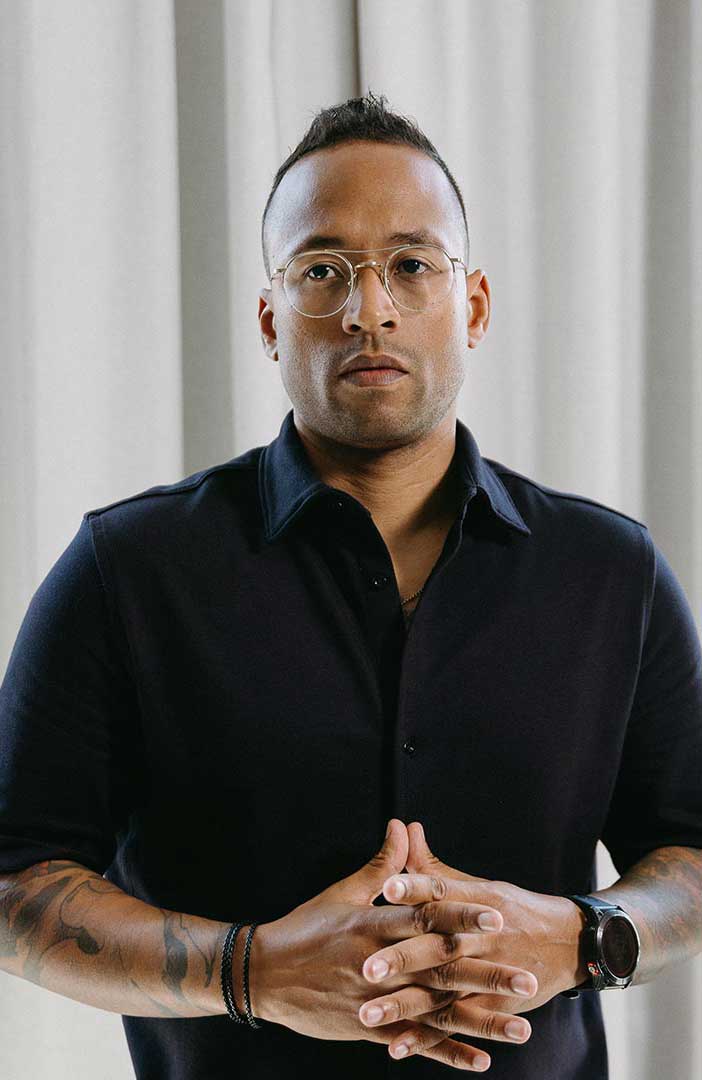

Julian Tillotson is the Founder & CEO of INDIRAP, a full-service video production and creative strategy agency based in Chicago, IL. With 10+ years of experience, INDIRAP has delivered 20,000+ videos to 900+ clients across 40+ industries, making it one of North America's leading digital creative agencies.


.png)
.png)