A video transcript for SEO is the full text of what is said in a video, published on the same page as the video and formatted with headings. It turns spoken content into text that search engines and AI can read, index, and quote. To write one, capture accurate captions, clean them up, structure them with headings, and publish them alongside the video.
Of every step in video AEO, publishing the transcript may be the highest return for the least effort. It is also the step most brands skip. This guide is part of our video-first guide to answer engine optimization.
A video player is invisible to a text-based system. A transcript is not. Publishing the transcript gives search engines and AI models the full text of your video's expertise, which they can index, match to queries, and quote. It also improves accessibility and keeps visitors on the page longer. For AI answer engines specifically, the transcript is what makes your spoken content quotable, which is the whole point of getting cited.
First, capture the raw text. Upload accurate captions on YouTube or use a transcription tool to generate a first draft. Second, clean it up. Fix errors, remove filler, and turn spoken run-ons into readable sentences without changing the meaning. Third, structure it. Break the transcript into sections with descriptive headings that match the topics covered, so both readers and machines can navigate it. Fourth, publish it on the same page as the video, not as a separate download. A transcript a machine cannot reach on the page does nothing for you.
Publish the transcript in the body of the page, below the video, as real text with headings. Avoid burying it in a collapsed element that does not render in the page source, and avoid linking out to a PDF. The goal is text that is present in the published HTML, which is what search engines and AI parse. Pair it with VideoObject schema that includes the transcript property so the connection is explicit.
Keep it accurate and complete, since a partial or error-filled transcript undercuts trust. Lead the page with an answer-first summary above the transcript so the key answer is easy to lift. Add descriptive headings so sections are scannable. And keep the transcript consistent with the video, so the text and the footage tell the same story. Do this and your video works for search and AI at the same time. For where it all pays off, see how to get your video into AI Overviews.
Transcripts are one piece of building video that gets found. INDIRAP produces the video, publishes the transcript, structures the page, and adds the schema, so your expertise is readable by search engines and AI alike. See our video production work and Content Kit, or book a strategy call.
Yes. A published transcript gives search engines the full text of your video, which they can index and match to queries. It also improves accessibility and dwell time. For AI answer engines, the transcript is what makes your spoken content readable and quotable, which is essential for citation.
Capture accurate captions or use a transcription tool for a first draft, clean up errors and filler into readable sentences, structure the text with descriptive headings, and publish it on the same page as the video. Keep it accurate and complete so it reflects exactly what the video says.
Publish it in the body of the page below the video as real text with headings, present in the published HTML. Avoid collapsed elements that do not render and avoid linking to a separate PDF. Pair it with VideoObject schema that includes the transcript property.
Yes. A transcript turns spoken video into text a language model can read, quote, and attribute. Without it, the content inside the video is effectively invisible to AI. With it, your video becomes a source an answer engine can cite.
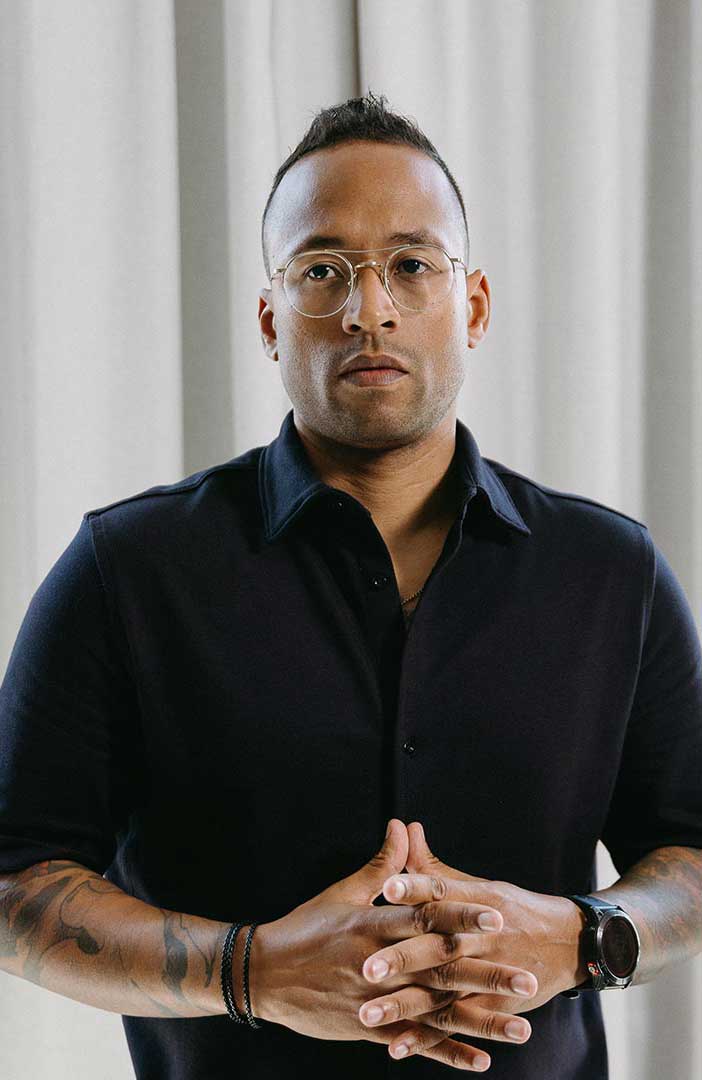

Julian Tillotson is the Founder & CEO of INDIRAP, a full-service video production and creative strategy agency based in Chicago, IL. With 10+ years of experience, INDIRAP has delivered 20,000+ videos to 900+ clients across 40+ industries, making it one of North America's leading digital creative agencies.


.png)
.png)