SEO, AEO, and GEO all aim to get you found, but at different surfaces. SEO (search engine optimization) works to rank your page in the list of results. AEO (answer engine optimization) works to get your content pulled into a direct AI answer, ideally with a citation. GEO (generative engine optimization) is the same idea applied broadly to generative AI results. AEO and GEO are used almost interchangeably, and all three share the same foundations.
The terms are new, the confusion is real, and the tactics overlap more than the acronyms suggest. This guide is part of our video-first guide to answer engine optimization.
Search engine optimization is the practice of structuring content and earning authority so a page ranks in the list of search results. The goal is the click: appear high in the blue links so a searcher chooses your page. SEO is mature, well understood, and still valuable, because the classic results are not going away.
Answer engine optimization is the practice of structuring content so AI answer engines surface and cite it when someone asks a question. Where SEO wants the click, AEO wants the citation, your content pulled directly into the AI-written answer at the top. The tactics lean on answer-first writing, specificity, clear structure, and schema.
Generative engine optimization describes optimizing for generative AI results in general, across assistants like ChatGPT, Perplexity, and Gemini as well as AI Overviews. In practice GEO and AEO point at the same work. AEO tends to emphasize direct-answer engines, GEO the broader generative landscape, but if you optimize well for one you are optimizing for the other.
The difference is the surface and the win. SEO wins a ranked link. AEO and GEO win a citation inside an answer. The overlap is the foundation: clear structure, genuine expertise, topical authority, and trustworthy content help with all three. The added weight for AEO and GEO is answer-first writing, specific and quotable detail, and schema that makes content machine-readable. You do not choose between them. Strong SEO is the base, and AEO and GEO are the layer on top.
Keep doing SEO, and add AEO and GEO deliberately. As AI answers take more of the top of the page, being the cited source becomes a distinct and growing channel. Video is a strong lever here, because it signals expertise and produces the transcripts and structure these engines reward. See how to get your video into AI Overviews and what VideoObject schema is for the practical next steps.
INDIRAP builds content that ranks and gets cited: produced video, on-page transcripts, clear structure, and schema. Explore our content strategy and video production work, or book a strategy call.
SEO works to rank a page in the list of search results and win the click. AEO works to get your content pulled into an AI-written answer and win the citation. They share foundations like clear structure and authority, but AEO puts more weight on answer-first writing, specificity, and schema.
Effectively yes. AEO tends to describe optimizing for direct-answer engines, while GEO describes optimizing for generative AI results broadly. The tactics are the same, so the terms are used almost interchangeably.
No. Classic search results still drive significant traffic, and strong SEO is the foundation that AEO and GEO build on. Keep doing SEO and add answer-first writing, quotable detail, and schema so the same content also earns AI citations.
Yes. Video signals first-hand expertise, YouTube is a primary AI source, and one video produces a transcript, page, and clips that answer engines can read and cite. A video page built answer-first with a transcript and schema is well suited to AEO and GEO.
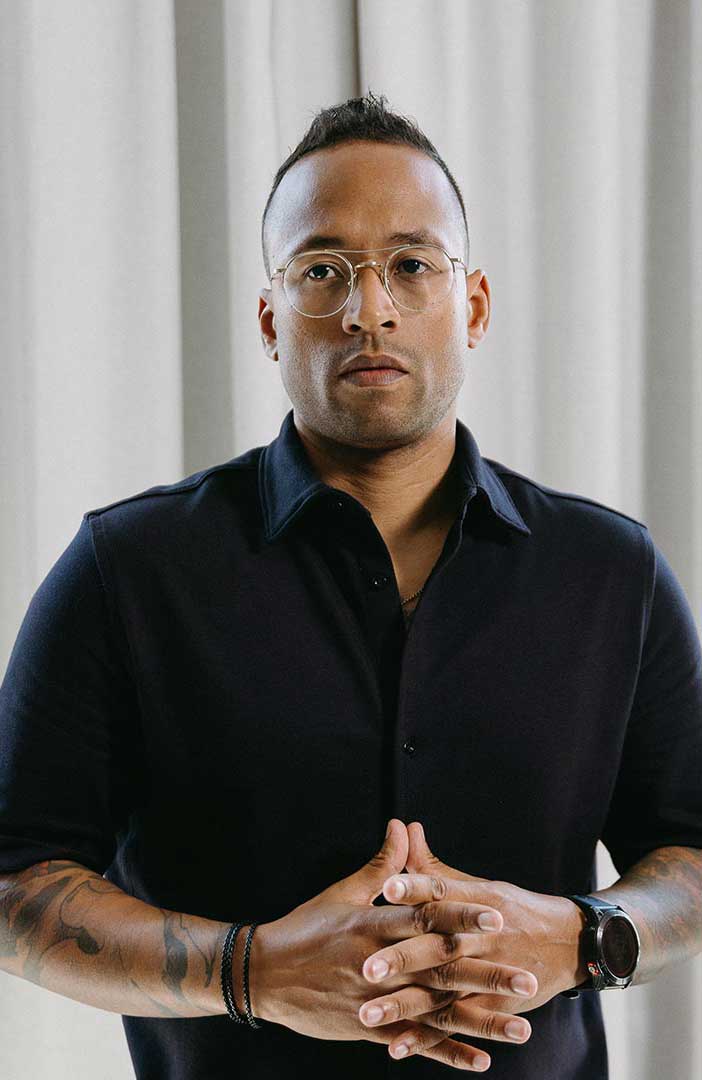

Julian Tillotson is the Founder & CEO of INDIRAP, a full-service video production and creative strategy agency based in Chicago, IL. With 10+ years of experience, INDIRAP has delivered 20,000+ videos to 900+ clients across 40+ industries, making it one of North America's leading digital creative agencies.


.png)
.png)