Video content converts when it accomplishes three things simultaneously: demonstrates clear value, builds trust through proof, and removes friction from the next step. Engagement is nice, but conversion requires strategic intent behind every element of the video.
Here's what actually drives conversion: specificity over generality, proof over promises, and clear next steps over vague suggestions.
Converting videos follow a specific structure that guides viewers from interest to action. Random video content might get views, but structured content drives decisions.
Hook (First 3-5 Seconds):
State the specific outcome or result the viewer wants. Use numbers, transformations, or surprising statements. Match the expectation set in the thumbnail or caption. Make the value immediately obvious.
Example: "Here's how we helped a client increase sales 40% in 90 days" not "Let me tell you about our company."
Problem Validation (5-15 Seconds):
Demonstrate you understand their specific pain point. Use language they actually use to describe their problem. Show empathy and expertise simultaneously. Establish credibility by describing symptoms they're experiencing.
Solution Framework (20-40 Seconds):
Explain your approach or methodology clearly. Focus on the what and why, not overwhelming how. Show what makes your approach different or better. Use simple frameworks that make complex solutions understandable.
Proof (15-25 Seconds):
Share specific results with real numbers. Show before-and-after transformation. Feature customer testimonials or case study snippets. Demonstrate that this actually works, not just theoretically.
According to Wyzowl, 79% of people say they've been convinced to buy software or an app by watching a video. That convincing happens in the proof section.
Call-to-Action (5-10 Seconds):
Tell viewers exactly what to do next. Make it specific and actionable. Reduce friction as much as possible. Create urgency or scarcity when authentic.
Generic content gets engagement. Specific content drives conversion. The more precisely you can describe the problem, solution, and outcome, the higher your conversion rate.
Conversion requires trust. These elements build trust faster than anything else in video content.
Real Customer Testimonials:
Feature actual customers describing their experience. Include their full name, company, and role (with permission). Show measurable outcomes they achieved. Let them speak in their own words without over-scripting.
According to Vidyard, testimonial videos generate 62% more engagement than other video types because they provide social proof from peers.
Converting video anticipates and addresses objections before prospects can use them as reasons to not act.
Video conversion depends on alignment between video message and landing page experience. Misalignment kills conversion even when the video is excellent.
Critical Alignment Points:
Headline matches video's main promise. CTA on landing page matches CTA in video. Social proof reinforces video testimonials. Form asks for only essential information. Thank you page sets clear expectations. Follow-up sequence continues the conversation.
According to research, including video on landing pages can increase conversion rates by 80%. But only when video and page messaging align perfectly.
Track metrics that indicate actual conversion, not just engagement.
Key Conversion Metrics:
Click-through rate to landing page. Landing page conversion rate. Video-attributed revenue. Average order value from video traffic. Time from video view to conversion. CTA completion rate.
These metrics show which videos actually drive business outcomes versus just getting views.
Match length to complexity and trust required. Simple, low-risk offers: 30-60 seconds. Medium complexity: 90-120 seconds. High-value, complex sales: 2-5 minutes. Conversion depends on delivering complete value, not hitting arbitrary length targets.
Yes for lower-ticket offers (under $1,000). Create intrigue for higher-ticket ("Investment starts at $10,000, book a call to discuss your specific needs"). Never avoid pricing, address it strategically based on business model and sales process.
Continue learning about video marketing:
Video content converts when it demonstrates value through specificity, builds trust through proof, and removes friction from taking action. Engagement is the price of admission, conversion is the goal.
At INDIRAP, we create video content optimized for conversion, not just views. From messaging strategy to production to landing page integration, we build complete systems that drive measurable business outcomes.
Ready to create video that actually converts? Comment CLARITY below for our free Video Marketing Guide, or book a free Discovery Call to discuss your video conversion strategy.
Converting content is built, not guessed. That is what we do as a full-service video production company, and it is the thinking behind our Content Kit.
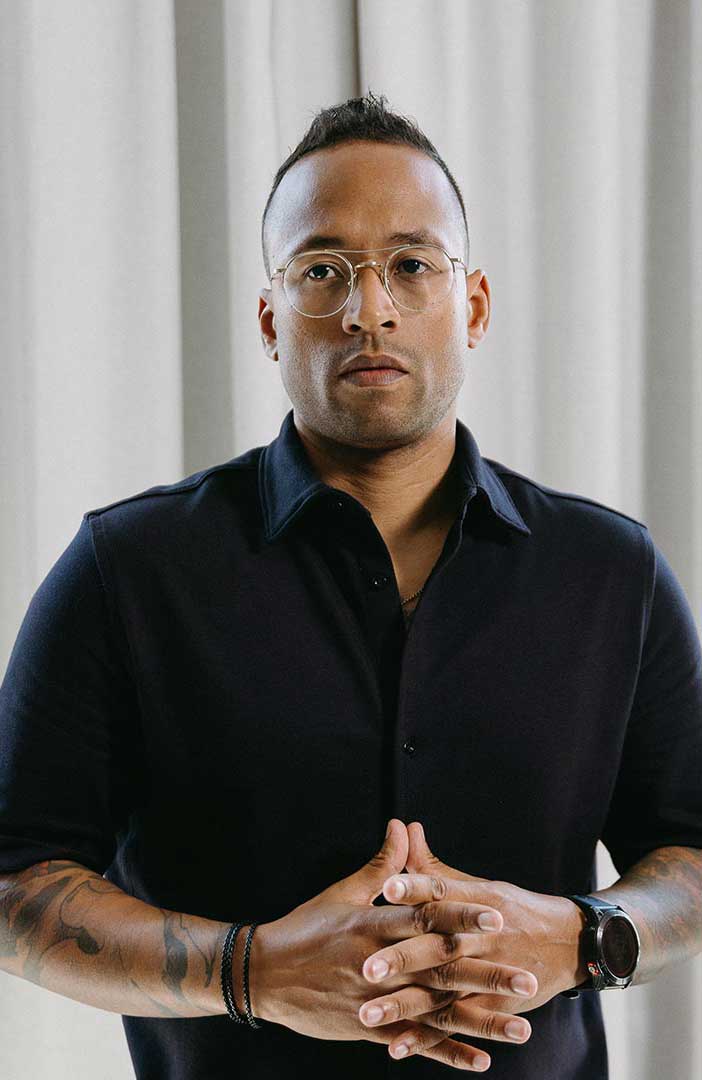

Julian Tillotson is the Founder & CEO of INDIRAP, a full-service video production and creative strategy agency based in Chicago, IL. With 10+ years of experience, INDIRAP has delivered 20,000+ videos to 900+ clients across 40+ industries, making it one of North America's leading digital creative agencies.


.png)
.png)