Corporate video production costs vary wildly. A 30-second social clip might run $2,500. A polished brand film with talent, location scouts, and color grading could cost $75,000. The gap exists because "corporate video" means everything from a talking-head interview to a multi-day shoot across three cities with a motion graphics suite.
The opacity around pricing is intentional—or at least inevitable. Every project is different. But that doesn't mean you can't plan smarter or know what to expect. This guide breaks down what actually drives corporate video costs, shows you what different budget tiers get you, and tells you exactly what to ask a production company to get a real number.
Corporate video pricing isn't random. A few concrete factors stack up to determine your final bill:
A 2-person skeleton crew—director/DP and audio tech—costs less than a full 8-person team with dedicated producers, gaffers, and assistants. Senior cinematographers command higher rates than junior shooters. Union crews (common in major cities) cost more but guarantee experience, safety standards, and certain crew benefits. Non-union crews are cheaper but may be less experienced. A freelance director might charge $1,500–$3,500/day; an established production company with multiple staff might charge $2,500–$5,000+/day just for creative direction. If your video needs a specialized skill—a steady-cam operator, a drone pilot, a VFX supervisor—that's an add-on line item.
Shooting runs $2,000–$10,000+ per day depending on crew size and location. A 1-day shoot is straightforward. A 5-day shoot multiplies labor, equipment rental, and logistics. Each additional day scales the budget linearly, with possible discounts for multi-day bookings.
Shooting in your office is cheap. Shooting at your office, then at a manufacturing facility 90 minutes away, then at a third location, fragments the day and adds drive time. Some locations require permits (especially outdoor Chicago shoots). Historic venues or private estates may charge location fees ($500–$5,000+). Locations with poor natural light demand more grip and lighting equipment and crew time.
Editing a talking-head interview runs 30–50 hours and costs $2,000–$5,000. A heavily edited story with B-roll integration, color correction, sound design, and multiple revisions can run 100–300+ hours. If you want color grading, that's a specialized skill billed at $100–$300+/hour. Sound mixing and mastering add another $1,000–$3,000.
Text overlays and simple title cards: built into editing. Custom motion graphics, data visualization, or animated explainers: $3,000–$15,000+. The complexity and duration of motion work directly scales the cost. A 15-second animated logo is cheaper than a 3-minute animated product demo.
Using internal employees (no talent budget). Hiring a local voice-over actor (union rates: $200–$500 for a non-union spot, much higher for union work). Licensed music from a production library costs $50–$500+ per track. Custom music composition costs $1,000–$5,000+. On-camera talent (if not your team) adds $500–$5,000+ depending on experience.
A production company's equipment overhead varies. Cinema-quality cameras, drone gear, lighting trucks, and 4K editing suites are expensive. Many production costs are bundled into day rates, but specialized equipment sometimes gets line-itemed separately.
What this covers: Short-form content, talking-head interviews, social media clips, or a basic promotional video. Typically 1–2 shoot days, a small crew (2–3 people), minimal locations, straightforward editing. No motion graphics, no custom music, no on-camera talent. Quick turnaround (2–3 weeks).
Best for: LinkedIn updates, internal communications, website testimonials, quick social media content, team announcements.
Realistic example: A 2-minute employee testimonial video: 1 day of shooting, 1 camera, basic lighting, 2-week edit turnaround.
What this covers: Mid-range corporate videos. 2–3 shoot days, fuller crew (3–5 people), multiple locations, professional color correction, some motion graphics, licensed music. May include a basic voice-over (non-union) or simple on-camera presence. 3–4 week timeline.
Best for: Company culture videos, product explainers, conference presentations, case study films, internal training content, real estate walkthrough videos.
Realistic example: A 4-minute brand story: 2 days shooting (office + manufacturing floor), color grade, title graphics, licensed music, voiceover, 3 rounds of client revisions.
What this covers: Polished, broadcast-quality corporate videos. 3–5+ shoot days, full crew with specialized roles, multiple complex locations, professional color grading, custom motion graphics, professional music (potentially licensed premium or custom-composed), on-camera talent, sound design and mixing. 4–6 week timeline with multiple revision rounds.
Best for: Major brand films, corporate documentaries, investor pitch videos, large-scale event videos, multi-location campaigns, high-stakes leadership announcements.
Realistic example: A 6-minute corporate culture documentary: 4 days shooting across three cities, interviews with multiple employees, B-roll montages, custom motion graphics, professional color grade, sound mix, custom or premium licensed music.
What this covers: Premium, nationally competitive corporate content. 5–10+ shoot days, large crews with multiple specialists, premium locations, extensive B-roll, high-end color and sound, custom animation sequences, celebrity talent or influencers, original music composition, extensive post-production. 8–12+ week timeline with unlimited revisions.
Best for: National campaign launches, luxury brand films, award-submitting content, high-budget investor relations, major conference keynote films.
Realistic example: A 10-minute brand manifesto film: 8 days shooting, locations across multiple states, actor talent, extensive custom graphics, original score composition, full sound design, 10+ week timeline.
Chicago is a major media market, which affects video production pricing in specific ways.
Chicago is a union town. IATSE (crew) and SAG-AFTRA (talent) unions have strong presences. Union shoots cost more but guarantee experience, safety standards, and certain crew benefits. Non-union crews are cheaper but may be less experienced. Most production companies offer both options—you choose.
Outdoor Chicago shoots typically need city permits. A street closure permit runs $200–$1,000+. Parking permits, if needed, add another $100–$500. Park shoots require a City Department permit. These costs are usually passed to the client. Indoor corporate locations typically don't need permits.
Fulton Market: Increasingly popular for shoots (restored warehouses, brick, natural light). Location scouting usually free, but some restored spaces charge $500–$2,000 rental fees. Street permits required for exterior work.
The Loop (downtown): High visibility but congested. Exterior shoots often need permits. Many corporate interiors (office buildings) available for free if you're filming their tenant. Parking challenging.
McCormick Place: Major event venue. Shooting there often requires coordination with their AV team. They may charge setup fees ($500–$1,500). Union stagehands sometimes required.
Navy Pier, Lakefront: Scenic but heavily restricted. Park permits required. Best for authorized corporate events. Filming costs depend on permit class.
Private Corporate Campuses: No permit needed (assuming you own or operate it), but may require internal security clearance or AV coordination.
Budget padding matters. Here are the costs that blindside first-time video buyers:
Multi-city shoots require crew travel (flights, hotels, rental cars, per diem). A 2-day shoot in New York might add $3,000–$8,000 in travel alone. Local Chicago shoots with longer commutes still add mileage, parking, and time-cost.
Most quotes include a set number of revision rounds (typically 2–3). Additional revisions cost $100–$500 per round. Scope creep is the #1 budget killer. Clearly define what's included upfront.
A production library license for a 30-second track might cost $50–$200. But if you want that song used across multiple platforms (TV, web, social, events), you need additional licenses. Broad licensing adds $200–$500+. If you later want to repurpose the video, the music might not be licensed for the new use—and re-licensing costs extra.
A non-union VO actor run: $200–$500 for a basic spot. Union rates (SAG-AFTRA) for the same job: $600–$2,000+. If your video airs on TV or nationally, union rates are mandatory.
High-end shoots sometimes require equipment insurance (adds 3–5% to budget). Drone shots require FAA clearance and a licensed pilot (adds $500–$1,500 for the day). These aren't always obvious line items upfront.
If you want professional transcription for accessibility or SEO, that's $100–$300. Hardcoded captions or subtitle design: $300–$800. Many clients forget to budget this.
Before you email a production company, have these details ready:
A reputable production company will ask follow-up questions. If they quote you immediately without digging into your needs, that's a red flag.
Once you have proposals, here's how to separate solid quotes from lowballs:
At INDIRAP, pricing transparency matters. After an initial free 30-minute discovery call, you get a detailed proposal that breaks down exactly what you're paying for—crew roles, shoot schedule, deliverables, revision rounds, timeline, and end use rights. No surprises on invoice day. The pricing scales with your needs: a $5,000 social clip is honest and quick-turnaround; a $40,000 corporate documentary reflects the full scope of work, talent, and timeline. Every quote is custom because every project is different.
Corporate video production costs what it costs because video is a skilled, labor-intensive craft. You're paying for experience, equipment, and creative problem-solving—not just for someone to point a camera and hit record. The best deals aren't the cheapest; they're the ones where you understand exactly what you're buying and the production company delivers on time and on scope.
Want a straight answer on what your project will actually cost? See INDIRAP's corporate video work, then book a free 30-minute discovery call and get a real number.
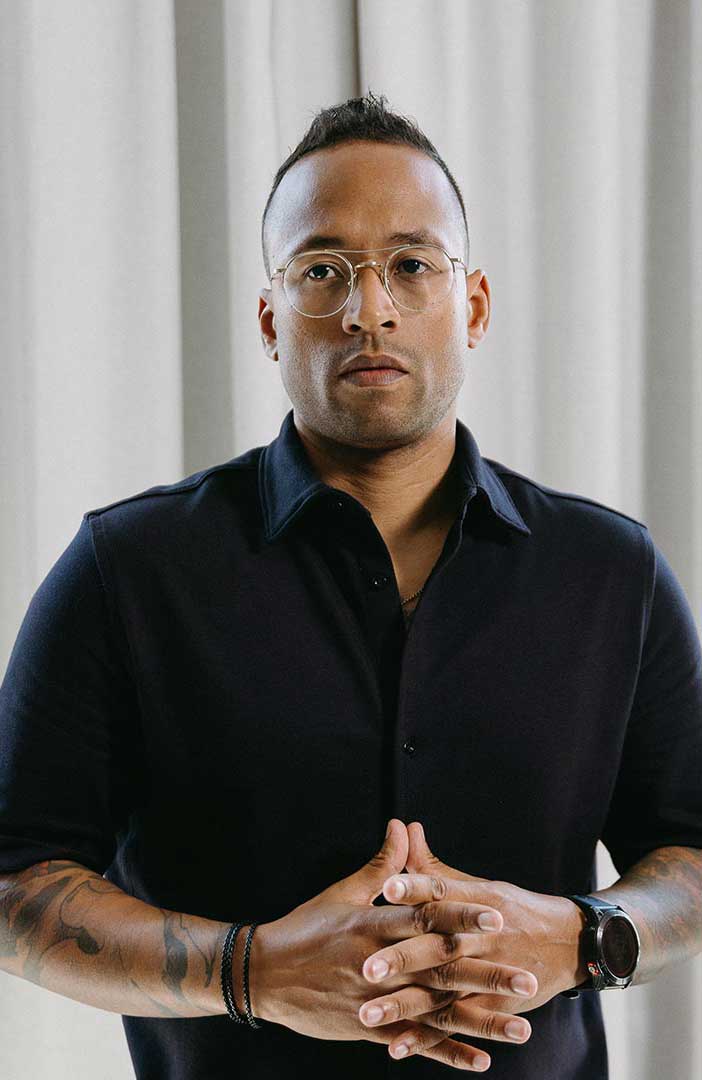

Julian Tillotson is the Founder & CEO of INDIRAP, a full-service video production and creative strategy agency based in Chicago, IL. With 10+ years of experience, INDIRAP has delivered 20,000+ videos to 900+ clients across 40+ industries, making it one of North America's leading digital creative agencies.


.png)
.png)