There's a moment in every brand video where you know whether it's going to work. Not at the end, when the logo fades in and the tagline appears, earlier. In the first fifteen seconds, something either pulls you in or it doesn't. The production might be flawless. The messaging, technically correct. But if the story isn't there, none of it matters.
Luxury brands understand this better than anyone. A high-end property isn't just a building. It's a promise about how life could feel. A fashion label isn't just clothing. It's identity and aspiration made tangible. And increasingly, the brands that communicate those things most powerfully aren't doing it in print or static digital. They're doing it through video, and they're doing it in a way that feels less like an ad and more like an invitation.
This shift didn't happen overnight. But the video production companies that caught onto it early, the ones that understood storytelling as a craft, not just a format, have carved out a real advantage for their clients.
Walk through any luxury real estate listing today and you'll find a video. Usually it's a drone sweep over the property, some slow pans through the kitchen, maybe a sunset shot from the terrace. Competent. Forgettable. The kind of video that checks a box without doing any actual selling.
The problem isn't the production quality. It's that the video is about the property when it should be about the person buying it, or more precisely, the version of themselves they want to become by living there. The emotional journey that makes a viewer pause and think, "this is exactly what I've been looking for."
Getting that right requires a specific kind of thinking before the cameras ever come out. Who is this viewer? What do they already believe about themselves? What does acquiring this property confirm or unlock? These aren't questions that most production companies ask, because most production companies are in the business of shooting and editing, not brand strategy.
The result is a category that's awash in technically competent content that doesn't move anyone. Buyers scroll past it. Agents send it as an afterthought. The video exists, but it's not doing the work that video is actually capable of doing. For luxury brands especially, that's a significant missed opportunity, because the buyers they're reaching make decisions that are deeply emotional and then rationalize them afterward. The video that reaches them at the emotional level wins the consideration set before the price negotiation even begins.
High-net-worth buyers don't make purchase decisions the way most buyers do. The path from first exposure to serious consideration to purchase is longer, involves more influencers, and is driven more by trust and aspiration than by urgency and price. Understanding that purchase journey is the prerequisite for building video that actually works for a luxury audience.
The emotional purchase journey for a luxury property or lifestyle brand typically starts with aspiration, a buyer who encounters a brand or listing isn't yet ready to buy, but they're building an image of what their life could look like. Video that reaches them at this stage should evoke a feeling, not present a checklist. It should answer the question “would I want to be in this world?” before it answers “does this property have what I need?”
Example: Dove Real Beauty Sketches (2013), emotion-driven video that evokes feeling before it presents a case:
Trust signals for high-net-worth buyers are also different from what works with general audiences. Social proof matters, but it has to be specific and credible, not a generic testimonial, but a recognizable type of person talking authentically about why they chose this brand. Craftsmanship, attention to detail, and the obvious commitment of resources to the production itself are all trust signals in a luxury context. A video that looks expensive signals that the brand behind it cares. A video that looks like it was produced on the cheap signals the opposite, which is particularly damaging when you're asking someone to part with seven or eight figures.
The brands that win in luxury video understand that restraint is a tool. Not every frame needs to be filled. Not every feature needs to be named. The buyer who you're trying to reach is sophisticated enough to read between the lines, and they'll trust a video that respects that sophistication more than one that over-explains.
Chicago-based this video agency, INDIRAP, has been building brand stories for over a decade across industries that include luxury real estate, corporate clients, and government agencies. More than 20,000 videos for 900+ brands. The through line in their work isn't a visual style or an editing aesthetic. It's the insistence that every video start with a clear answer to one question: what should the viewer feel, and what should they do next?
That sounds simple. It isn't. Getting it right means resisting the pull toward features, square footage, finishes, amenities, and committing instead to atmosphere, aspiration, and emotional resonance. It means casting choices, music choices, and pacing decisions that are made in service of a specific effect on a specific audience. And it means knowing when to hold a shot and when to move, because the rhythm of a luxury brand video is doing work that most viewers won't consciously notice but will absolutely feel.
The pre-production process is where most of the real work happens. Before a single camera goes up, there should be a shared understanding of who this video is for, what emotional state it should produce, and what the viewer should do when it's over. Without that clarity, even an excellent shoot produces footage that doesn't add up to a story. With it, even a modest budget can produce something that genuinely works.
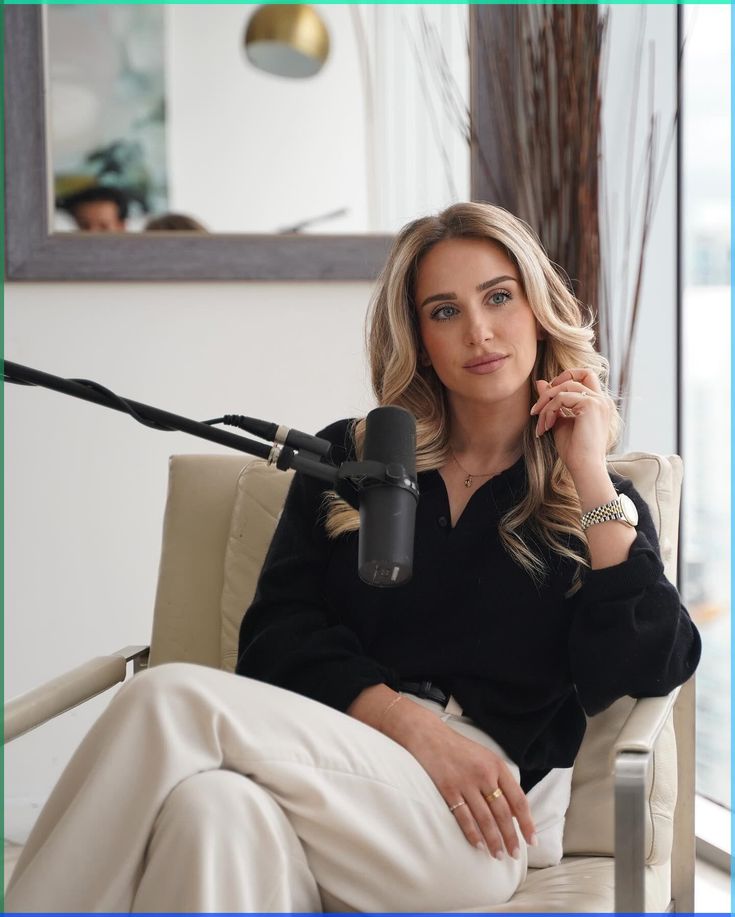
Pacing is the most underrated element in luxury brand video. The instinct for most brands, and for many production companies, is to keep things moving. Cut fast, show a lot, pack in as much as possible. But luxury buyers respond to different rhythms. A longer hold on a beautifully lit space communicates something that a quick cut can't: that this brand is confident enough in what it has to let you sit with it.
Music choice is similarly consequential. The wrong music can undermine everything else, a track that's generic or slightly off-tone signals that the creative decisions weren't made carefully. The right music, particularly when it's understated and not immediately recognizable, creates an emotional atmosphere that the visuals reinforce. The best luxury brand videos feel like they have a consistent emotional register throughout, and music is a big part of what maintains that register.
Casting, even for properties, not just for people, is about selection and framing. Which rooms lead with, what time of day the shoot happens, whether lifestyle talent is present and who they are, how much negative space is allowed in the frame: these decisions collectively shape the story that the viewer constructs in their head. A professional crew with experience in luxury brand work makes these decisions intentionally. An inexperienced crew makes them by default, and the results reflect that.
Location and setting context matter more than most brands realize. Buyers don't just purchase a property; they purchase a sense of place. Video that contextualizes a property within its neighborhood, the lifestyle it enables, and the community around it gives buyers more of what they're actually buying. A beachfront property video that spends the entire runtime inside the house is missing half the story.
The conversation around AI-generated content has changed how sophisticated buyers think about authenticity. There's more generic content in the world than ever before, images, copy, even video, and the brands that stand out are the ones that feel unmistakably human. Not polished to the point of sterility, but specific, considered, and real.
For luxury brands especially, this is an opportunity. The market for high-end properties and services has always been driven by trust and taste. And trust is built by content that feels like it came from someone who actually cares about the product, not from a template. The brands that lean into this moment by investing in genuinely crafted video are going to look dramatically different from the competitive field, and that differentiation is worth real money in a category where buyer attention is the scarcest resource.
The agencies that understand this are producing work that doesn't look like anything else in the feed. Longer holds. More silence. Less explanation, more implication. They're betting that their clients' buyers are sophisticated enough to respond to restraint and specificity, and they're right.
One of the objections luxury brands sometimes raise against serious investment in video storytelling is the measurement problem. How do you prove that a brand video drives sales when the sales cycle is eighteen months long and involves multiple decision points?
The answer is that you measure what you can measure and build conviction about the rest. Engagement metrics, watch time, replay rate, shares, tell you whether the content is actually connecting with the audience. Traffic patterns tell you whether video is driving people deeper into the brand's digital presence. Inquiry data tells you whether video exposure is correlated with qualified leads. None of these is a perfect measure of brand storytelling ROI, but taken together they paint a clear picture.
Time on site is a particularly useful indicator for luxury brands. A buyer who spends twelve minutes exploring a property's digital presence is a very different prospect from one who bounced after thirty seconds. Video is consistently the content type most effective at increasing dwell time, which is itself predictive of purchase intent. When you see a spike in average session duration after publishing a brand video, that's the story doing its work.
Conversion metrics at the bottom of the funnel, showing requests, consultation bookings, contact form submissions, are also trackable back to video exposure with the right analytics setup. UTM parameters, referral source tracking, and CRM-level attribution can give you a clear line between the video and the inquiry. That data is worth building, because it makes the case for continued investment in storytelling much easier to make internally.
The quality of what a production company can make for you is largely determined by the quality of the brief you give them. This is a truth that makes some clients uncomfortable, because it implies that they have to do work before the creative work can begin. But it's accurate, and the brands that get the best results from their video partners are the ones that show up with real clarity.
A good brief for a luxury brand video answers at least four questions. Who is the primary viewer, and what do they already believe about themselves and their lifestyle? What should they feel by the time the video ends, not think, but feel? What is the one thing they should do next, and how does the video make that action feel natural? And what would make this video unmistakably ours, rather than something any competitor could have produced?
That last question is the hardest and most important. The answer lives in specific details: a design philosophy, a location, a community, a way of treating clients. Finding those specifics and building the creative around them is what turns a professional production into a brand asset that works for years.
The most common mistake is starting with the production and hoping the story emerges. It rarely does. Story has to be built first, in the brief, in the pre-production process, in the creative concepting before a camera appears. Brands that approach video as a production problem rather than a storytelling problem get technically competent content that doesn't move anyone.
The second most common mistake is over-featuring. A luxury property video that spends equal time on every room, running through the list of amenities with the systematic thoroughness of a real estate brochure, is not a brand video. It's a virtual tour in a nicer package. Brand video makes choices. It decides what to show and what to imply, what to linger on and what to cut, what to say and what to let the images carry. Those editorial decisions are where the story lives.
Treating video as a one-time project rather than an ongoing content practice is another missed opportunity. The brands that show up consistently with high-quality video content build compound recognition over time. A viewer who encounters your brand once might not be ready to buy. One who encounters it five times, across different formats and contexts, is in a fundamentally different relationship with the brand when they finally are ready.
There's something else worth noting. The brands investing in genuine story-driven video aren't just winning with buyers. They're winning with the algorithm, too. Platforms reward content that earns engagement. A video that makes someone feel something generates shares, saves, and comments in a way that a checklist video never will. The distribution upside of good storytelling is measurable.
None of this is to say that production quality doesn't matter. It does. A poorly lit, badly edited video undermines the story before it starts. But production quality is table stakes. The differentiator is the creative intelligence behind the camera: the ability to look at a property, a brand, or a product and see the story that's worth telling about it.
That's harder to systematize than most things in marketing. It requires experience, taste, and a genuine interest in the people at the other end of the screen. The agencies doing it well are the ones treating every project like it matters, because for the clients they're serving, it does. And the luxury brands that choose those partners thoughtfully are the ones building something that will still be resonating with buyers long after the campaign date has passed.
INDIRAP is a Chicago-based video production company with over a decade of experience building brand films for luxury properties, corporate clients, and government agencies, more than 20,000 videos across 900+ brands. Every project starts with a single question: what story is actually worth telling here?
If you’re ready to produce video content that earns real attention, book a free strategy session with our team. We’ll show you what’s possible.
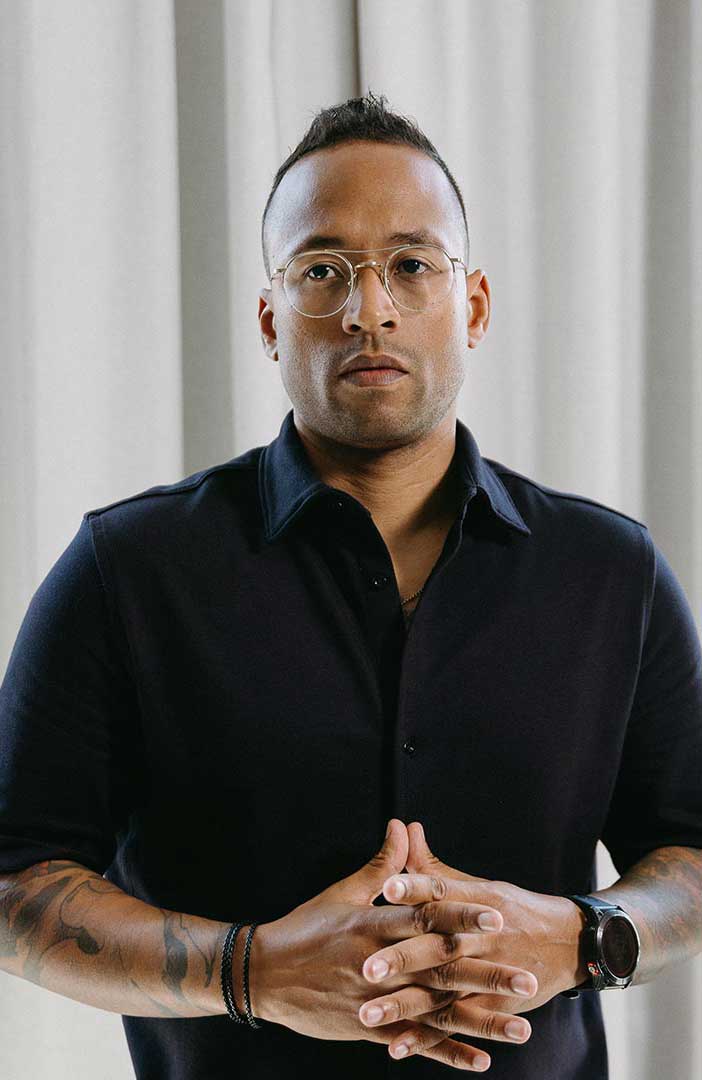

Julian Tillotson is the Founder & CEO of INDIRAP, a full-service video production and creative strategy agency based in Chicago, IL. With 10+ years of experience, INDIRAP has delivered 20,000+ videos to 900+ clients across 40+ industries, making it one of North America's leading digital creative agencies.


.png)
.png)