.jpg)
Here’s a number that should stop you mid-scroll: companies that use video in their marketing grow revenue 49% faster than those that don’t. That stat has been floating around since 2016, and the gap has only widened since. But most B2B brands still treat video like a nice-to-have, a box to check before a product launch or an annual conference opener that gets polite applause and then disappears.
The businesses that are pulling ahead aren’t just making more videos. They’re being strategic about what they make, who makes it, and how every piece ties back to a measurable business outcome. Chicago-based INDIRAP has been doing this kind of work since 2013, more than 20,000 videos across 900+ brands, from Fortune 500 companies to government agencies. Their track record offers some clear lessons about what works.
Here are seven ways serious video marketing actually moves the needle for B2B companies.
B2B products are often hard to explain in words. Software platforms, supply chain solutions, compliance tools, these aren’t things you can photograph and call it a day. But a well-produced explainer video can compress a 30-minute sales call into three minutes. The data on this is consistent: viewers retain about 95% of a message delivered via video compared to 10% from text.
The key is clarity over cleverness. The best explainer videos strip out jargon, anchor every feature to a pain point, and end with a clear next step. No transitions for the sake of transitions. No background music fighting the voiceover.
Decision-makers buy from people they trust. LinkedIn and YouTube have made it possible for executives, sales leaders, and subject matter experts to build genuine authority, if they’re willing to show up consistently on camera. Short interviews, point-of-view videos, and walking-through-a-problem formats work well here.
The catch is production quality matters more than most people think. Shaky lighting and echoey audio undercut the credibility you’re trying to build. You don’t need a Hollywood budget, but you do need someone who knows what they’re doing behind the camera.
The average B2B buyer watches short-form videos during the research phase, scrolling LinkedIn, watching a conference recap, checking a brand’s Instagram before a meeting. If your brand isn’t showing up in those moments, a competitor is.
Short-form doesn’t mean low effort. A 60-second clip that lands a single clear idea, shot well and edited tightly, often outperforms a two-minute video that tries to do too much. The discipline to cut a concept down to its core is harder than it looks.
This is one of the most underutilized applications of video in B2B, and one of the highest-ROI. Training videos, for new hires, for compliance, for product updates, reduce the time your best people spend repeating themselves and create a consistent experience regardless of location or team size.
For distributed teams especially, video has become the default way companies keep everyone aligned. A well-produced training library pays for itself within a quarter if it frees up even a few hours per week of senior staff time.
You’ve spent six figures on a conference or product launch. The room is full. The energy is good. And then Monday comes and half the impact evaporates because nobody captured it properly. Event video extends the shelf life of everything you’ve invested in, keynotes, panels, client dinners, product demos.
But event recap videos that are just highlight reels rarely perform. What works better: short, focused cuts on specific moments or speakers, formatted for the channels where your audience actually lives.
Case study videos and client testimonials outperform almost every other content format in the bottom half of the funnel. A prospect who is 80% of the way to a decision and sees a peer talking credibly about their results will move faster than any sales email can push them.
The challenge is getting clients on camera in a way that feels authentic. Scripted testimonials with branded talking points land flat. The best ones are conversations, edited down, but not stiff.
The brands that get the best results from video aren’t the ones with the biggest production budgets. They’re the ones that watch their analytics, test different formats, and treat every video as a learning opportunity.
Which thumbnail got more clicks? Did the audience drop off at the two-minute mark? Did this LinkedIn video generate any inbound requests? These questions should drive every content decision. Video is too significant an investment to produce and forget.
Most businesses are leaving real money on the table by treating video as a one-time project instead of an ongoing practice. The companies that win in 2026 and beyond won’t just have better videos, they’ll have a smarter system for using video across the entire customer journey. That’s the difference between a production order and a real video marketing strategy.
INDIRAP is a Chicago-based video production company that has helped 900+ brands, from Fortune 500 companies to fast-growing B2B firms, develop video content that drives real business outcomes. Strategy, scripting, production, distribution: we handle the full process so your team doesn’t have to.
If you’re serious about treating video as a business tool rather than a budget line item, book a free strategy call with our team. We’ll walk you through exactly what’s possible for your brand.
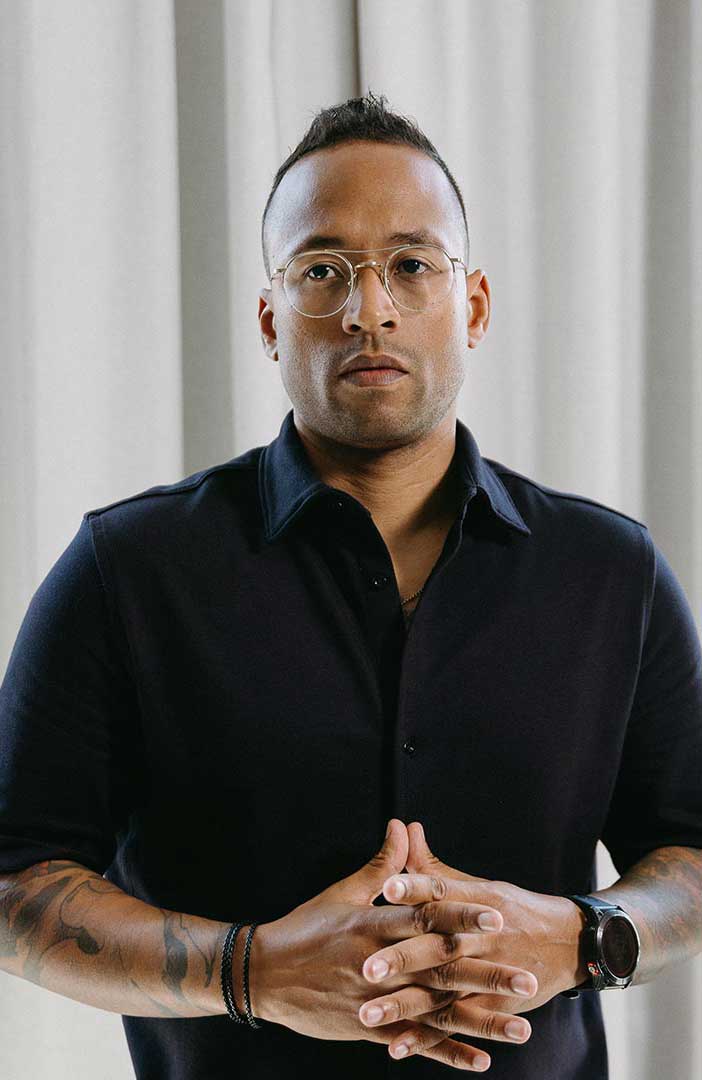

Julian Tillotson is the Founder & CEO of INDIRAP, a full-service video production and creative strategy agency based in Chicago, IL. With 10+ years of experience, INDIRAP has delivered 20,000+ videos to 900+ clients across 40+ industries, making it one of North America's leading digital creative agencies.


.png)
.png)