
An explainer video is a short, high-impact video that turns a complex product, service, or idea into a clear and relatable story viewers grasp in seconds. It opens with a situation the audience recognizes, introduces the solution naturally, and shows how life gets easier, which is why 96% of people watch one to understand a product before buying.
A few years ago, the team behind Dropbox had a brilliant product, but people just didn’t understand it. Cloud storage wasn’t exactly a kitchen-table concept back then, and no matter how many sentences you wrote about it, the idea still felt confusing.
So co-founder Drew Houston recorded a simple demo video showing how files could sync effortlessly between devices. The response was immediate. It was shared across tech communities, and the video helped the beta waiting list jump from about 5,000 to 75,000 people almost overnight.
That’s precisely what an explainer video does. It doesn’t drown people in features or technical specifications. Instead, it shares a relatable story that helps the target audience understand what the product is about.
And believe us, the audience clearly prefers it that way. Wyzowl research shows that 96% of people have watched an explainer video to better understand a product or service.
An explainer video is a short, high-impact video that bridges the gap between a complex solution and a human who just wants to know whether it’ll will make their life easier.
Back in the day, explaining a product was a challenge. We’re talking about door-to-door salesmen with leather satchels, 40-page black-and-white manuals that smelled like lead ink, and those incredibly stiff infomercials, where someone would pretend they couldn't possibly slice a tomato without a specific $19.99 gadget.
The burden of understanding was always on the customer. They had to read, listen to a pitch, and do all the mental work to figure out how a widget actually solved their problem.
Then, the internet happened, and our attention spans collectively hit the floor. If a product didn’t make sense in the first few seconds, most visitors simply left. That’s when businesses needed a faster and clearer way to explain the problem and the solution.
A good explainer video today starts with a situation the viewer recognizes, introduces the solution naturally, and shows how life gets easier afterward.
Here’s an example video from Grammarly. It starts with a relatable situation and then introduces its new AI feature and how it helps. A perfect example of a good explainer video!
Explainer videos aren’t all cut from the same cloth. Some look animated stories with quirky characters, while others blend live footage with slick graphics. The goal is always the same – make an idea instantly understandable – but the way that idea gets explained can vary quite a bit.
In the real world, you’re limited by gravity, the weather, and whether or not your talent (the actors) remembered their lines.
When it comes to animated explainer videos, you can literally fly a character to the moon to explain cloud storage or show a literal clog in a digital workflow using a cartoon pipe.
If your product is invisible, like software, a complex financial algorithm, or a specific B2B service, animation gives it a physical form that a human brain can grab onto.
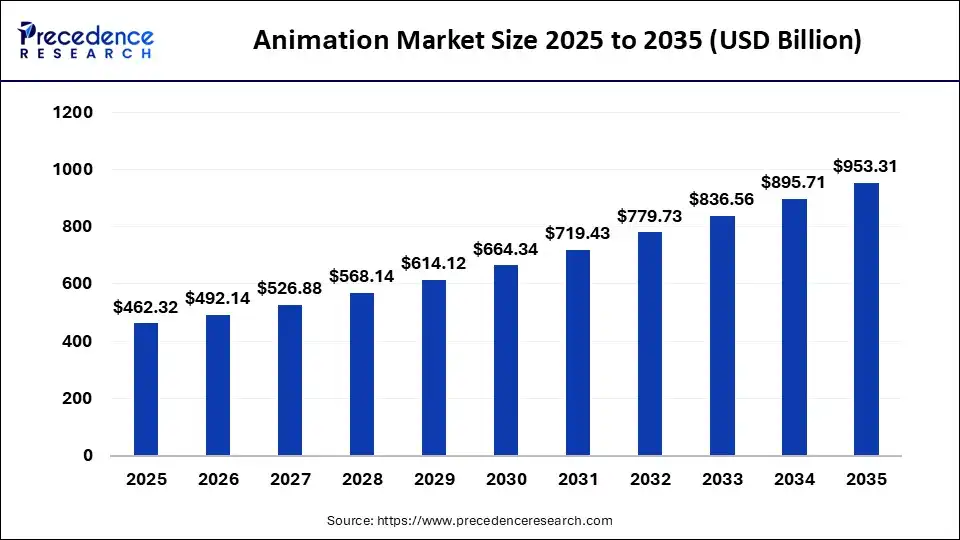
No wonder many brands are catching on, and the market size of animation is expected to grow from $492.14 this year to $953.1 billion by 2035.
Popular types of animated explainer videos include.
Ready to bring your story to life? At INDIRAP video marketing agency, we create animated explainer videos that make your message crystal clear and truly memorable. We’ve helped brands like Murals and Sirius showcase their products with stunning animations.
Curious to see what we can do for you? Book a call today and let’s create an animation that makes your brand impossible to forget.
There’s a specific type of Mirror Neuron activity in our brains when we see another human face; we subconsciously sync up with their emotions. If they look confident and relieved because a product solved their problem, you start to feel that relief, too.
Here’s what live-action explainer videos are about.
Note that live-action ages faster than animation. That trendy haircut or the specific model of laptop in the background might look so 2024 in a few years. But for capturing immediate empathy and showing that your product exists in the real, physical world? Nothing beats it!
Check out this live-action explainer video for Visualping, a tool that automatically monitors websites for changes.
In the old days of software, a demo usually meant a sweaty-palmed salesperson sharing their screen on a laggy conference call, clicking through endless menus while you contemplated your life choices.
Today’s product demo video is a sleek, choreographed greatest hits album of your product’s best features.
It shows the user exactly how they went from having a problem to solving it in three clicks. No wonder 69% of consumers say product demos help when making a decision to purchase something.
Here’s how product demos work best.
Kinetic typography videos include words that stretch, shrink, explode, and dance across the screen in perfect sync with a voiceover or a beat.
Usually, when we see a static wall of text, our brain goes into skim mode. But when words are animated – appearing exactly as they’re spoken – it forces the viewer to read and listen simultaneously.
Here’s how they work.
Here’s an example kinetic typography video from Burger King. The moving text against a bold, solid background hooks the viewer instantly.
These videos present a high-level story of why you exist as a brand, what you believe in, and why the world would be affected if your company disappeared tomorrow.
Back in the day, companies tried to do this with a Mission Statement buried on an About Us page, usually filled with words like “excellence” and “innovation”. The company explainer breathes life into that dry mission. Here’s what company explainers typically involve.
Checkout this INDIRAP brand video explainer to gain more clarity on what it’s about.
Reality check explainer videos are designed to address skepticism. Instead of a company saying their product is awesome, these videos start with a brutal, honest look at the status quo.
It’s about calling out the broken processes or the hidden costs that your competitors are too scared to mention.
It’s often a Live-Action/Animation Hybrid. You’ll have a real person (the truth teller) speaking directly to the camera, interspersed with data-driven motion graphics that back up their claims.
When a brand admits that its solution isn’t a magic wand or points out a hard truth about the industry, it creates instant trust. In fact, 88% of consumers support brands that seem authentic.
An explainer video is incredibly versatile, but it shines brightest in certain moments. Not every situation calls for one.
Sometimes, a quick product photo or a short paragraph does the job just fine. But when the idea is layered, unfamiliar, or simply hard to grasp in a few sentences, that’s where an explainer video really earns its keep.
If you’re selling a toothbrush, you probably don’t need a 90-second cinematic experience to explain that it cleans teeth. But if you’re selling a decentralized data mesh or a cross-platform API integration, you’re in a totally different territory.
Every human brain has a limited amount of mental capacity. When you hit a potential customer with a wall of technical jargon, their brain starts frantically trying to process the definitions instead of the benefits. They get tired. And tired brains always say no (or “let me think about it,” which is just “no” in a suit).
An explainer video takes your complex features and makes them visually intriguing and understandable.
Think of it through the lens of the Feynman Technique. The physicist Richard Feynman famously argued that if you can’t explain something simply, you don’t understand it well enough. An explainer video is your brand’s way of saying, “We’ve done the hard work of understanding this, so you don't have to.”
If you find yourself spending more than three sentences trying to explain what you actually do, your product is complex. And if it’s complex, an explainer video is what your customers are looking for.
Check out how Slack breaks down its platform in an explainer video. They show exactly how it works and why it makes team communication effortless.
Sometimes the challenge isn’t that your product is complicated, it’s that its value isn’t obvious at first glance. A visitor lands on your website, reads a headline or two, and thinks, “Why should I care?” If the benefit doesn’t click within those first few seconds, there’s a good chance they’ll move on.
This happens a lot with innovative products or services that solve problems people haven’t fully thought about yet. The solution might be powerful, but if the connection between the problem and the payoff isn’t crystal clear, prospects struggle to see why it matters.
That’s where an explainer video helps. Instead of leaving people to piece things together themselves, the video quickly paints the full picture. It shows the problem in a relatable way, introduces the solution, and highlights how things become easier or better.
Some audiences simply don’t have the luxury of time like founders juggling ten priorities, or executives scanning their inbox while heading to the next call. When people like this land on your page, they’re not settling in to read a thousand-word breakdown of your product!
What they’ll do instead is skim.
In these moments, clarity and speed matter. Decision makers want to understand what you do and whether it’s worth their attention (preferably in under a minute).
Research consistently shows that 70% of B2B buyers watch videos throughout their purchasing journey. Well, because they’re looking for the bottom line upfront. If you want to win over that person, an explainer video is incredibly effective.
Instead of forcing someone to piece together the story from scattered sections of text, the video delivers the entire narrative in one smooth, visual flow.
At this point, your audience knows they have a problem. They’ve googled the symptoms, they’ve looked at a few competitors, and now they’re standing at a crossroads. They’re looking for the right solution.
This is the most dangerous part of the buyer’s journey, where they can easily talk themselves out of a purchase or, worse, wander into the arms of a competitor who just happened to be a little clearer.
Instead of making them hunt through your FAQ or download a technical spec sheet, a consideration-stage explainer addresses their specific hesitations head-on.
You can share a reality check or a testimonial video. When they see a peer (someone with the same headaches) nodding along to your solution, the consideration phase ends, and the decision phase begins.
HubSpot did exactly that by sharing a customer success story.
Every sales process has friction, those moments where a prospect asks for clarification or struggles to understand how something works. The more questions they have to untangle on their own, the slower the decision becomes.
An explainer video smooths that path.
Instead of relying on long email threads or repeated sales calls, video content answers the most common questions upfront. It shows how the product works and what the experience looks like in practice.
This results in fewer back-and-forth explanations and a much smoother path from curiosity to commitment.
Launching something new is exciting, but it also comes with a challenge: what if people don’t know what it is yet? Even loyal customers can feel a little lost if the update isn’t explained clearly. An explainer video solves that in minutes.
You don’t need to announce a new feature with a dense release note or a long blog post; you can show exactly what’s changed and why it matters. Viewers see the problem, watch the feature in action, and instantly understand how it improves their experience.
When a launch is explained visually and simply, adoption tends to follow. Because once people see the value, they’re far more likely to start using it.
.gif)
We don’t mind new ideas. We just hate feeling confused. But the moment something clicks in our brain, our whole attitude changes. What looked complicated suddenly feels obvious. What sounded risky now feels interesting.
That tiny moment of clarity is exactly what a great explainer video creates.
At INDIRAP video production agency, we’ve spent over a decade perfecting the art of visual storytelling. We’ve seen the trends come and go, and we’ve helped everyone from scrappy startups to global brands turn their complicated products understandable. And don’t just take our word for it; explore our client success stories to learn more!
If you’re sitting on a product that’s too smart for its own good, or if you’re tired of watching potential clients wander off because they don’t get your value proposition, let’s fix that with our video production services.
Book a call with our team, and we’ll explore how the right explainer video can turn your idea into a story people instantly get (and remember).
It’s a short, focused video that explains a product, service, or idea in a simple, engaging way. The goal is to help viewers quickly understand the value or solution.
Begin with a relatable problem your audience faces. Show the pain point clearly, then introduce your product or solution as the hero that fixes it. Make sure you keep it visual and engaging from the first few seconds.
Yes. Explainer videos are highly effective for increasing engagement and simplifying complex ideas. According to Wyzowl, an explainer video on a landing page can increase conversions by around 80%.
Costs vary widely depending on style and production quality.


Julian Tillotson is the Founder & CEO of INDIRAP, a full-service video production and creative strategy agency based in Chicago, IL. With 10+ years of experience, INDIRAP has delivered 20,000+ videos to 900+ clients across 40+ industries, making it one of North America's leading digital creative agencies.


.png)
.png)