
6 Steps to Build An Effective Video Sales Funnel

We’re living in a time where 89% of brands are using video content for marketing. So, it’s only wise that you do, too. However, it doesn’t mean you should create on-off videos every time there’s a need for visual content. 

Instead, what you need is a well-planned video sales funnel, with content for each stage. Even small details matter. How long a video runs, where you place a call to action, and the style of content all affect how people respond.

A strong brand video marketing funnel keeps viewers moving without feeling pressured. It helps them understand your product and why it matters to them. When each video serves a clear purpose, people are more likely to do what you want them to. 

Let’s discuss how to create a video sales funnel with each piece working together to support your sales objectives.

What Is a Video Sales Funnel?

A video sales funnel is a step-by-step path that leads someone from first hearing about your brand to actually buying from you. Have you ever watched a video online and felt like it answered your questions and made you want to try something? 

That’s what a good funnel does.

Not every video is meant to sell immediately. Some are just there to grab attention, others explain features, some educate, and a few show real-life results or testimonials. Each piece nudges the viewer forward.

When done right, a video sales funnel can help streamline your customer acquisition and conversion. The best part is that this component of a digital marketing strategy functions 24/7 and can push your sales projections to new heights.

How to Build a Video Sales Funnel in 6 Steps

Here is how businesses can develop an effective video sales funnel in six steps:

Step 1: Match Videos to Funnel Stage

Before you get ahead of yourself and start shooting videos without any research, it is important to understand the types of videos you can use to market your products and services.

Here are the types of videos to make for each stage of the sales funnel. 

Top of the Funnel (Awareness)

At the top of the funnel, the goal is simple: get noticed. You want people to recognize your brand and start paying attention. These videos should be quick but engaging. 

Create the following videos here: 

  • Brand introduction videos
  • Short social media clips
  • Problem-focused content highlighting common challenges
  • Attention-grabbing animations or graphics
  • Quick tips or tricks related to your niche

Bolt’s brand introduction video is a good example to take inspiration from. 

Middle of Funnel (Consideration)

Here, viewers are interested but still deciding if your product or service fits their needs. Videos should educate viewers through animated explainers or tutorials to build trust without going for the hard sell. 

Here are some good videos for this stage: 

  • Product demos
  • Explainer videos showing how your solution works
  • Comparison videos highlighting your advantages
  • Tutorials or walkthroughs
  • FAQ-style videos addressing common concerns

For example, Nutribullet has created a video to show how to use its blender. 

Bottom of Funnel (Decision)

At this stage, people are ready to make a choice. Videos should remove any final doubts, prove credibility, and give viewers a reason to act now.

The following videos come into play here: 

  • Customer testimonials or success stories
  • Case studies 
  • Special offers or limited-time promotions
  • Behind-the-scenes videos showing your process
  • Detailed product overviews emphasizing benefits

Chewy uses fun Instagram Reels to announce its special offers, which are a huge hit among its customers. 

Chewy Video Marketing on Instagram


Step 2: Conduct a Video Audit

Before creating new videos, take a close look at what you already have. Are your current videos reaching the right people?

Review your existing content and sort it by funnel stage. Which videos grab attention at the top? Which ones actually educate and guide prospects in the middle? And which videos successfully close sales at the bottom?

Look for gaps. Maybe you have plenty of awareness videos, but few that address questions in the consideration stage. Or perhaps your decision-stage videos don't show real results through testimonials and case studies.

Now, you can create videos to fill these gaps. 

Step 3: Learn About Your Audience

Your video sales funnel only works if your audience finds it engaging. So, you need to learn about your audience’s preferences. 

You need to conduct in-depth research about the likes and dislikes of your target audience and then mold your digital marketing strategy accordingly. Furthermore, try to do some research about your competitors as well.

You can go through the social media handles of other businesses in the same industry as you and see the type of video content they’re posting and how they’re helping their buyers overcome their problems.

Use industry benchmarks and data, too. For example, Wistia’s 2025 video marketing survey shows that videos under 1 minute have a 50% engagement rate. It means people prefer short-form TikTok and Reels content

The same report also shows that product videos have a conversion rate of 17%, while webinars convert 25% of the viewers. So, these are the videos you must have in your funnel. 

Step 4: Set Short-Term And Long-Term Goals

Before you start creating videos, it helps to know what you want to achieve. Goals give your funnel direction and make it easier to measure success.

Short-term goals focus on immediate wins. They may include: 

  • Increasing engagement on social media posts
  • Growing your email or subscriber list
  • Driving traffic to a specific landing page
  • Testing different video formats to see what works best 

For example, Airbnb creates stunning videos of its properties to engage its audience on Instagram. 
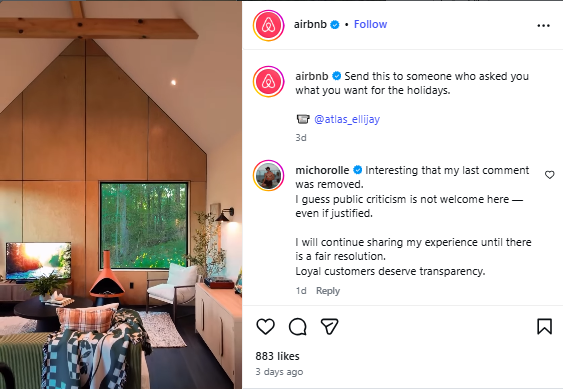
Airbnb Video Sales Funnel Strategy

Long-term goals focus on bigger outcomes that take time to achieve. These goals shape your overall strategy and guide the type of content you create. Some examples are: 

  • Converting viewers into paying customers 
  • Building brand trust and authority
  • Nurturing loyal repeat customers

Salesforce does a great job of building brand authority with its social media videos. The brand shares about its products and puts links in its bio to make it easy for the audience to return. 
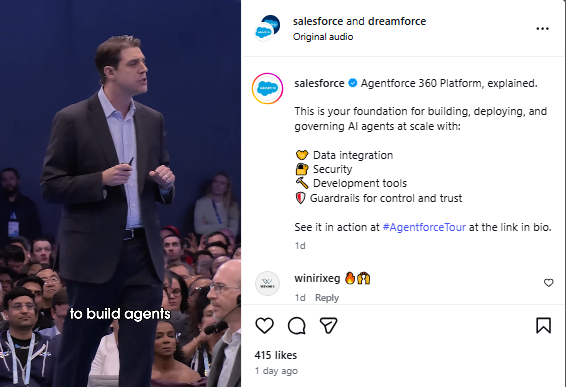
Salesforce Video Marketing Strategy

You need a blend of both these goals to make your video sales funnel work. So, make sure you have both in your funnel. 

Step 5: Create Mind-Blowing Content

Once your goals are clear, it’s time to produce videos that guide viewers through your funnel. Decide whether to handle production in-house or work with a video production company

In-house teams give more control and flexibility, while agencies bring experience and specialized skills. You can choose between the two based on your resources and in-house expertise.

Step 6: Market Your Content

Lastly, creating amazing content just isn’t enough. You need to promote your video content as much as possible to reach a wider audience.

Promotion of your video content doesn’t have to be a complex suit. Just ensure that you share your content on all your social media platforms, broadcast it on your email and newsletter, and commit to some form of paid marketing. Our video distribution and monetization guide can help you in this regard. 

Reach More Customers With a Solid Video Sales Funnel 

Video sales can do something for your business that even the most trained salespeople can’t! Videos operate 24/7 and can help you skyrocket your sales and leads. Just remember to prioritize your customers’ needs and deliver on your promises through engaging content!

Need help creating your video sales funnel? INDIRAP, a leading video production agency in Chicago, specializes in turning ideas into full-fledged sales funnels that convert viewers into loyal customers. We create all types of videos from animated explainers to case study videos, event video, recruitment content, and brand promos, to get you the results you want. 

Book a strategy call today. 

FAQs 

How many video types do I need for a funnel?

Most funnels include top, middle, and bottom stage videos. The exact number depends on your audience, product complexity, and how many steps it takes to make a decision.

What videos work at the top of the funnel?

Top-of-funnel videos should grab attention and introduce your brand. Some videos to create include short social clips, problem-focused content, quick tips, or creative visuals that make viewers stop and watch.

What videos work in the middle of the funnel?

Tutorials, product demos, explainer videos, and FAQ-style content help prospects understand how your solution solves their problem. Since middle-of-funnel videos are meant to educate and build trust, these videos do the job. 

What videos work at the bottom of the funnel?

At the bottom of the sales funnel, you want to encourage purchase decisions. Testimonials, case studies, detailed product overviews, or limited-time offers make viewers feel confident taking action.

How often should I update my video sales funnel?

Review the performance of your videos regularly and refresh them when engagement drops or new products are launched. Updated content keeps your funnel relevant so that it continues to drive results.

Related Articles
corporate video production
December 14, 2025

6 Steps to Build An Effective Video Sales Funnel

blog
Show all

We’re living in a time where 89% of brands are using video content for marketing. So, it’s only wise that you do, too. However, it doesn’t mean you should create on-off videos every time there’s a need for visual content. 

Instead, what you need is a well-planned video sales funnel, with content for each stage. Even small details matter. How long a video runs, where you place a call to action, and the style of content all affect how people respond.

A strong brand video marketing funnel keeps viewers moving without feeling pressured. It helps them understand your product and why it matters to them. When each video serves a clear purpose, people are more likely to do what you want them to. 

Let’s discuss how to create a video sales funnel with each piece working together to support your sales objectives.

What Is a Video Sales Funnel?

A video sales funnel is a step-by-step path that leads someone from first hearing about your brand to actually buying from you. Have you ever watched a video online and felt like it answered your questions and made you want to try something? 

That’s what a good funnel does.

Not every video is meant to sell immediately. Some are just there to grab attention, others explain features, some educate, and a few show real-life results or testimonials. Each piece nudges the viewer forward.

When done right, a video sales funnel can help streamline your customer acquisition and conversion. The best part is that this component of a digital marketing strategy functions 24/7 and can push your sales projections to new heights.

How to Build a Video Sales Funnel in 6 Steps

Here is how businesses can develop an effective video sales funnel in six steps:

Step 1: Match Videos to Funnel Stage

Before you get ahead of yourself and start shooting videos without any research, it is important to understand the types of videos you can use to market your products and services.

Here are the types of videos to make for each stage of the sales funnel. 

Top of the Funnel (Awareness)

At the top of the funnel, the goal is simple: get noticed. You want people to recognize your brand and start paying attention. These videos should be quick but engaging. 

Create the following videos here: 

  • Brand introduction videos
  • Short social media clips
  • Problem-focused content highlighting common challenges
  • Attention-grabbing animations or graphics
  • Quick tips or tricks related to your niche

Bolt’s brand introduction video is a good example to take inspiration from. 

Middle of Funnel (Consideration)

Here, viewers are interested but still deciding if your product or service fits their needs. Videos should educate viewers through animated explainers or tutorials to build trust without going for the hard sell. 

Here are some good videos for this stage: 

  • Product demos
  • Explainer videos showing how your solution works
  • Comparison videos highlighting your advantages
  • Tutorials or walkthroughs
  • FAQ-style videos addressing common concerns

For example, Nutribullet has created a video to show how to use its blender. 

Bottom of Funnel (Decision)

At this stage, people are ready to make a choice. Videos should remove any final doubts, prove credibility, and give viewers a reason to act now.

The following videos come into play here: 

  • Customer testimonials or success stories
  • Case studies 
  • Special offers or limited-time promotions
  • Behind-the-scenes videos showing your process
  • Detailed product overviews emphasizing benefits

Chewy uses fun Instagram Reels to announce its special offers, which are a huge hit among its customers. 

Chewy Video Marketing on Instagram


Step 2: Conduct a Video Audit

Before creating new videos, take a close look at what you already have. Are your current videos reaching the right people?

Review your existing content and sort it by funnel stage. Which videos grab attention at the top? Which ones actually educate and guide prospects in the middle? And which videos successfully close sales at the bottom?

Look for gaps. Maybe you have plenty of awareness videos, but few that address questions in the consideration stage. Or perhaps your decision-stage videos don't show real results through testimonials and case studies.

Now, you can create videos to fill these gaps. 

Step 3: Learn About Your Audience

Your video sales funnel only works if your audience finds it engaging. So, you need to learn about your audience’s preferences. 

You need to conduct in-depth research about the likes and dislikes of your target audience and then mold your digital marketing strategy accordingly. Furthermore, try to do some research about your competitors as well.

You can go through the social media handles of other businesses in the same industry as you and see the type of video content they’re posting and how they’re helping their buyers overcome their problems.

Use industry benchmarks and data, too. For example, Wistia’s 2025 video marketing survey shows that videos under 1 minute have a 50% engagement rate. It means people prefer short-form TikTok and Reels content

The same report also shows that product videos have a conversion rate of 17%, while webinars convert 25% of the viewers. So, these are the videos you must have in your funnel. 

Step 4: Set Short-Term And Long-Term Goals

Before you start creating videos, it helps to know what you want to achieve. Goals give your funnel direction and make it easier to measure success.

Short-term goals focus on immediate wins. They may include: 

  • Increasing engagement on social media posts
  • Growing your email or subscriber list
  • Driving traffic to a specific landing page
  • Testing different video formats to see what works best 

For example, Airbnb creates stunning videos of its properties to engage its audience on Instagram. 

Airbnb Video Sales Funnel Strategy

Long-term goals focus on bigger outcomes that take time to achieve. These goals shape your overall strategy and guide the type of content you create. Some examples are: 

  • Converting viewers into paying customers 
  • Building brand trust and authority
  • Nurturing loyal repeat customers

Salesforce does a great job of building brand authority with its social media videos. The brand shares about its products and puts links in its bio to make it easy for the audience to return. 

Salesforce Video Marketing Strategy

You need a blend of both these goals to make your video sales funnel work. So, make sure you have both in your funnel. 

Step 5: Create Mind-Blowing Content

Once your goals are clear, it’s time to produce videos that guide viewers through your funnel. Decide whether to handle production in-house or work with a video production company

In-house teams give more control and flexibility, while agencies bring experience and specialized skills. You can choose between the two based on your resources and in-house expertise.

Step 6: Market Your Content

Lastly, creating amazing content just isn’t enough. You need to promote your video content as much as possible to reach a wider audience.

Promotion of your video content doesn’t have to be a complex suit. Just ensure that you share your content on all your social media platforms, broadcast it on your email and newsletter, and commit to some form of paid marketing. Our video distribution and monetization guide can help you in this regard. 

Reach More Customers With a Solid Video Sales Funnel 

Video sales can do something for your business that even the most trained salespeople can’t! Videos operate 24/7 and can help you skyrocket your sales and leads. Just remember to prioritize your customers’ needs and deliver on your promises through engaging content!

Need help creating your video sales funnel? INDIRAP, a leading video production agency in Chicago, specializes in turning ideas into full-fledged sales funnels that convert viewers into loyal customers. We create all types of videos from animated explainers to case study videos, event video, recruitment content, and brand promos, to get you the results you want. 

Book a strategy call today. 

FAQs 

How many video types do I need for a funnel?

Most funnels include top, middle, and bottom stage videos. The exact number depends on your audience, product complexity, and how many steps it takes to make a decision.

What videos work at the top of the funnel?

Top-of-funnel videos should grab attention and introduce your brand. Some videos to create include short social clips, problem-focused content, quick tips, or creative visuals that make viewers stop and watch.

What videos work in the middle of the funnel?

Tutorials, product demos, explainer videos, and FAQ-style content help prospects understand how your solution solves their problem. Since middle-of-funnel videos are meant to educate and build trust, these videos do the job. 

What videos work at the bottom of the funnel?

At the bottom of the sales funnel, you want to encourage purchase decisions. Testimonials, case studies, detailed product overviews, or limited-time offers make viewers feel confident taking action.

How often should I update my video sales funnel?

Review the performance of your videos regularly and refresh them when engagement drops or new products are launched. Updated content keeps your funnel relevant so that it continues to drive results.

Don't forget to share this post!