You know you need brand photography. Every small business does. Professional photos of you, your team, your workspace, your products—the kind that look sharp on your website, social media, and Google Business Profile. But professional photographers cost $1,500 to $5,000+ for a half-day shoot, and that feels impossible when you're bootstrapping.
So you do nothing. You use an old iPhone photo, clip art, or photos from Unsplash that don't look like your business. And your website and social media look like every other generic small business—because you're using generic images.
Here's the truth: professional brand photography doesn't have to break the bank. With smart planning, strategic priorities, and the right photographer, you can get images that move your business forward—even on a tight budget. This guide walks through how.
Before you budget for anything, understand why brand photography matters. It's not vanity—it's a business tool.
Your website. A website full of generic stock photos looks unprofessional and impersonal. Real photos of you, your team, your work, and your space build credibility and trust. People buy from people they trust, and a professional photo of a real person is more trustworthy than a stock photo every time.
Social media. Organic social media (Instagram, LinkedIn, Facebook) gets more engagement when posts include real images of your team, your process, your personality. The algorithm favors original content. A behind-the-scenes photo of your team working beats a stock image of happy employees.
Google Business Profile. Google now weights businesses with photos higher in local search results. The more photos in your Business Profile—real photos of your space, team, and work—the more likely you show up first. This is free SEO.
Press and media coverage. Journalists, podcasters, and bloggers who interview you or cover your business need photos. A professional headshot makes you look like an expert and increases your chances of being featured.
Proposals and pitches. A polished proposal with photos of your work, your team, and your process is more persuasive than one with no images. It shows confidence and professionalism.
Brand consistency. When all your images share consistent lighting, color grading, and style, your brand feels cohesive. This happens naturally when you work with one photographer over time, and it compounds your credibility.
Photography pricing varies wildly. Here's what you can expect and what you get at each tier:
Budget tier ($500–$1,500): This is entry-level professional photography. You're getting 2–4 hours of shooting, 50–100 edited images, and one revision round. Good for: a single location, a small team, limited wardrobe changes. The photographer might be building their portfolio or newer to the market. Quality is solid—better than DIY, professional-looking. Best for: solo founders, small team headshots, simple product photography, one location.
Mid-tier ($1,500–$3,500): This is the sweet spot for most small businesses. You're getting 4–8 hours of shooting, 100–200 edited images, multiple locations, wardrobe changes, and a real strategy session upfront. The photographer understands small business branding and knows how to maximize a budget shoot. Quality is strong; the photographer has a portfolio and real experience. Best for: teams of 3–10 people, multiple locations, multiple use cases (website, social, Google Business), brands that want cohesion.
Premium tier ($3,500–$7,500+): This is full production—a full day or two, 200+ edited images, multiple locations, styling, art direction, and a serious strategy process. You're getting professional hair and makeup, a detailed shot list, and post-production color grading that ties everything together. The photographer has a strong portfolio and might be known in your industry. Best for: brands that are growth-focused, companies ready to scale, brands that need high-end imagery for print or advertising.
Reality check: Anything under $500 is usually not professional—it's a favor from an amateur. Anything over $7,500 for small business branding is usually overkill unless you're a luxury brand or doing professional print advertising.

Here's the secret: photographers can shoot much more efficiently when you're organized. Planning on your end directly reduces production cost.
Create a detailed shot list before the shoot. Don't wing it on the day. Write down every photo you need: "Headshot of owner, headshot of operations manager, team in office, team in warehouse, product close-up, product in use, workspace wide shot," etc. Share this with the photographer weeks before. This focus prevents aimless shooting and maximizes your usable images per hour. The photographer knows exactly what you need and can work faster.
Scout locations beforehand. If you're shooting at multiple locations, visit each one, take phone photos, and note the best light, best angles, and any logistics issues (noise, foot traffic, parking). Send this to your photographer. On shoot day, they walk in prepared, not discovering the space for the first time. This saves 30–60 minutes of "figuring it out" time.
Consolidate wardrobe changes. Multiple outfit changes create multiple shot setups and editing work. Instead of changing clothes three times (which eats an hour), plan two outfit changes max. Stick with colors and styles that match your brand identity. The photographer can shoot 20–30 images per outfit change efficiently.
Schedule back-to-back locations. If you're shooting at your office, then your warehouse, then a coffee shop, do it in one day. This means one morning prep, one drive route, one set of lighting gear. It's more efficient than spreading it across multiple days.
Have people and props ready. If your team is part of the shoot, brief them beforehand—no surprises on shoot day. Have your product, props, and materials organized and accessible. Photographers spend a lot of time waiting for "just one more thing to be ready." Every minute you're organized is a minute the photographer spends shooting.
You can't shoot everything on a small budget, so be strategic about what matters most.
Prioritize 3–5 "hero" images. These are your best, most-used photos. A hero image of you (if you're the brand face), a hero team photo, maybe a hero shot of your workspace or product. These images appear on your homepage, your social media header, your Google Business Profile. Hero images should be shot with slightly more light, more angles, more variety. You're spending 30% of shoot time getting these perfect.
Then shoot supporting images. Candid shots, details, secondary angles, various team members in different settings. These fill your blog, social media, email newsletters, and Google Business. Supporting images don't need the same level of precision, but they should be consistent in style and color grade.
Avoid the library trap. You might want 200 images, but you'll only use 10–15 actively. It's better to have 50 killer images you actually use than 200 mediocre ones that sit in a folder. Focus on quality over quantity, especially on a smaller budget.
This is a real question, and it deserves an honest answer.
When smartphone photography works: Casual behind-the-scenes content, social media stories, candid team moments, process photos. Smartphone photos feel authentic and immediate. If you're comfortable with smartphone cameras and have good light, you can create usable social content this way. The trick: consistent editing app (like VSCO or Snapseed) so everything looks intentional, not random.
When it doesn't work: Professional headshots, hero website images, client-facing materials, anything that needs shallow depth of field (blurred background), or anything that requires controlled lighting. Smartphone cameras are good at a lot, but they can't replicate professional portrait lighting or depth-of-field control. A professional headshot shot on a smartphone will look amateur.
The honest truth: Most small businesses benefit from a mix. Hire a professional for 3–5 hero images and a handful of key headshots. Use your smartphone for social media, behind-the-scenes, and casual content. This gives you professional credibility with a smaller budget.
Preparation directly reduces shoot time and costs. Here's the prep work to do:
Create a mood board. Spend an hour on Pinterest or Instagram. Find images that match your brand vibe—the colors, the feel, the lighting style you want. Share this with your photographer. They'll understand your vision faster and won't waste time shooting in styles that don't fit your brand.
Plan your wardrobe. What colors make you feel confident? What's appropriate for your industry? Solid colors and simple patterns photograph better than busy prints. Avoid colors that clash with your brand or your office background. Have 2–3 outfit options ready the week before. This prevents "What should I wear?" stress on shoot day.
Scout your locations. Visit every location you're shooting ahead of time. Note the light at the time of day you'll be shooting. Are there reflections, clutter, or distracting backgrounds? Can you move things around? Natural light is best for photography—position yourself near windows. Avoid fluorescent overhead lights if possible.
Organize your space. If you're shooting in your office or studio, clean it the day before. Not sterile—lived-in is good. But organized. A cluttered desk in the background pulls attention from you. Tidy surfaces, clear sightlines.
Brief your team. If people are in the photos, tell them what to expect: "We're shooting for 4 hours, you're part of a 30-minute segment, we'll do individual headshots and group photos." No surprises. People are more relaxed when they know what's coming.

Budget is real, but don't let it push you toward a photographer who doesn't understand your needs. Here's how to evaluate:
Red flags of going too cheap: Photographer has no portfolio or only stock images on their website. They've been doing this less than a year. They offer pricing that seems too good to be true ($250 for a half day?). They don't ask questions about your business or goals during initial contact. They can't explain their process or style. They don't offer any revisions or guarantees. These are signs of inexperience, and you'll probably be disappointed.
Green flags of good value: They have a real portfolio of small business work (not weddings, not fashion shoots, but actual branding work). They ask you questions upfront: What's your business, who's your audience, what's your brand vibe? They offer a pre-shoot consultation. They provide a detailed scope of work: number of hours, estimated image count, revisions included, turnaround time. They mention their editing process and style. They have testimonials from other small businesses. These signals mean they understand what they're doing and care about your success.
Negotiate thoughtfully. If a photographer quotes $2,500 and you have a $1,500 budget, ask: "What can we do for $1,500?" They might offer fewer hours, fewer locations, or fewer revisions. Don't try to haggle them down 40%—you'll get a rushed, lower-quality shoot. But there's often room to adjust the scope to match your budget.
Chicago is a gift for location scouts. Every neighborhood has character, and many free or low-cost photography locations are amazing.
Wicker Park: Colorful murals, tree-lined streets, independent storefronts, industrial architecture. Great for modern, creative brands. The murals are Instagram-famous, which means lots of foot traffic and direct sun at certain times—scout light before you commit.
Fulton Market: Modern glass and steel, exposed brick, loading docks. Perfect for tech, food, and modern brands. This neighborhood is polished and contemporary. Less crowded than Wicker Park early mornings.
Logan Square: Tree-lined residential streets, vintage storefronts, parks. More intimate and established feel than Wicker Park. Great for lifestyle and local brands. Lots of greenery, softer light.
Lincoln Park: Lakefront, parks, manicured green spaces, upscale feel. Great for premium brands or finance/professional services. Free location, beautiful light, but can be touristy during peak times.
Pro tip: Shoot in these neighborhoods early morning (7–9 AM) or late afternoon (4–6 PM) to avoid crowds and get warm, directional light. You don't need a permit for still photography in public spaces, but commercial video shoots do require permits.
Waiting for perfection. Your office isn't perfect. You're not perfect. Perfectionism keeps you from ever doing the shoot. "Perfect" is the enemy of "done." Real, authentic, honest photos beat polished and fake.
Inconsistent editing. One photo warm-toned, one cool-toned, one heavily filtered, one natural. This is visual chaos. Work with your photographer on a consistent color grade and style, or edit everything through the same app. Consistency makes you look more professional.
Using the same photographer as your competitor. This isn't a mistake per se, but if your competitor already has professional photos in your style, consider using a different photographer. You want a unique visual identity, not the same look as someone else in your market.
Shooting in bad light to save time. "Let's just shoot in the office right now instead of waiting for the golden hour." This saves 30 minutes and costs you images that look flat and unflattering. Good light is free; bad light is expensive when you have to re-shoot. Always wait for good light.
Not using the images you paid for. Shoot day happens, images come back, and then... nothing. You don't post them anywhere. You've invested in professional images—use them. Put them on your website, all over social media, in your Google Business Profile, in your email, in your proposals. They're only valuable if you use them.
Ready to invest in brand photography that actually moves your business forward? See INDIRAP's brand photography portfolio and book a free discovery call to talk through what's possible at your budget.
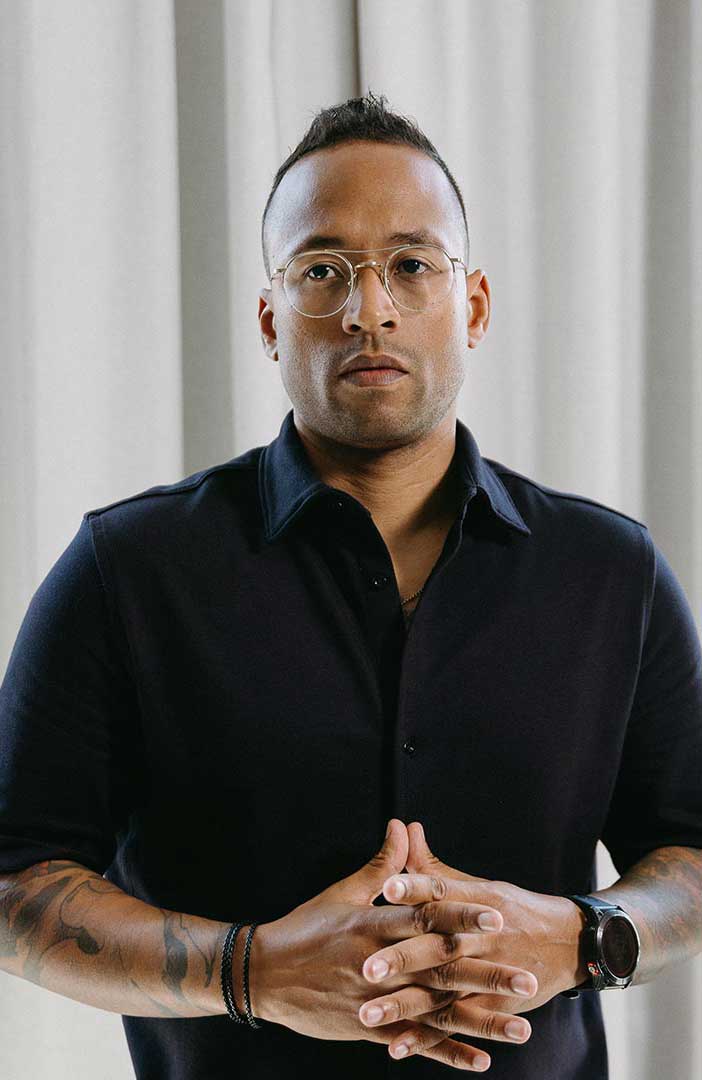

Julian Tillotson is the Founder & CEO of INDIRAP, a full-service video production and creative strategy agency based in Chicago, IL. With 10+ years of experience, INDIRAP has delivered 20,000+ videos to 900+ clients across 40+ industries, making it one of North America's leading digital creative agencies.


.png)
.png)