
As of 2026, YouTube has an estimated 2.7 billion users worldwide and continues to rank among the most visited websites globally. It is the world's second-largest search engine, processing over 3 billion searches every month.
But uploading a video and hoping it gets discovered is not a strategy. Without deliberate optimization, even great video content disappears into a catalog of 800 million other YouTube videos competing for the same eyeballs.
The good news: YouTube's algorithm is transparent about what it rewards. Watch time, engagement, and relevance signals are all within your control. If you know where to apply them. This YouTube SEO guide has six practical tactics on how to optimize video for YouTube search, improve your rankings, and drive consistent views from people actively searching for what you cover.
Video SEO is all about optimizing your video content in such a way that it ranks in the highest spot on the search engine results pages (SERPs) for your targeted keywords.With that said, let’s have a look at our top 5 tips to optimize your video for search.
The first two things anyone notices about your video are its title and thumbnail. These two things are just like the cover of a book. They can make or break your video’s performance.
YouTube generally ranks videos based on how good the title is and how well the content matches the user’s query. Further, the videos that received the most watch-time and engagement for a partial keyword and query are given preference by search engines.
Moreover, videos with custom thumbnails receive a 30% more play rate than the ones without them. Thus, make sure to include a relevant and attractive title and thumbnail in all your video content.
In case you don’t know how to design attractive thumbnails for your videos, check out this video:
This is one of the most important Video SEO tips that many people ignore. If you want your video content to rank on YouTube for a targeted query or keyword, you need to let the search engine know that your video content is relevant to that particular keyword.
Now, search engines cannot hit “Play” and watch your entire video to determine whether it is relevant or not. But they can read your video file’s name and the entire code accompanying it. So, when you are saving your video, make sure to replace the default file name with your targeted keyword.
For example, if your video is about the best cookie-baking tips, make sure to name it “best-cookie-baking-tips” followed by the file type.
Video transcripts have become an important part of all kinds of video content these days. Almost 69% of viewers prefer to watch videos with the sound off. Thus, transcripts make your videos more accessible to them and ensure you don’t lose any audience.
Another benefit of including video transcripts is that they make your video easy to scrape by search bots. You can include target keywords in your video transcript and increase your chances of ranking for more queries.
One practical shortcut: Use YouTube's auto-generated captions as your starting transcript, then edit for accuracy and publish it on the page alongside your embedded video. This gives Google readable text to index, improving your chances of ranking for long-tail queries spoken naturally in the video that never appeared in your written metadata.
Watch time, the total minutes viewers spend watching your video, is YouTube's single most important ranking signal. YouTube's algorithm is built around one goal: keeping people on the platform as long as possible. Videos that hold attention get promoted. Videos that don't get buried.
Audience retention is the percentage of your video that the average viewer actually watches. A video with 70% average retention will consistently outrank a more popular video with 40% retention, all else being equal.
Two things kill retention fastest: slow intros and unstructured content. Fix both with this simple framework:
Hook in the first 30 seconds. State exactly what the viewer will learn and why it matters to them before any intro animation, logo, or background context. YouTube's own data shows the steepest drop-off happens in the first 30 seconds. As video length increases, engagement rates drop, so if you lose them there, nothing else you optimize will matter.
Use chapters. Adding timestamps to your video description creates chapter markers that appear on the YouTube progress bar. Chapters improve navigation, increase the likelihood that your video appears in Google's "Key Moments" rich results, and signal to YouTube that your content is well-structured. Format them like this in your description:
Longer watch time also feeds directly into YouTube surfacing your video in suggested videos, which drives more total views than search on most channels.
Your video’s description is another key element you optimize to improve your search engine rankings. So spend some time searching for the right keywords and optimizing your video description according to them.
However, don’t just craft video descriptions for the search bots or stuff keywords all over it. Make it helpful for the viewers. Include all the key links, a powerful CTA, and other necessary information in the description.
Check out this video to learn more about video descriptions.
Just like Instagram and Twitter, YouTube now allows creators to include hashtags in their video titles and descriptions. Including related hashtags can increase your video’s discoverability and make it easier for you to reach a larger audience base.
However, while using hashtags, make sure to only include the ones that are actually related to your video content. Don’t include random and unrelated hashtags just because they are trending. Further, avoid using too many hashtags in your descriptions, as it can negatively affect your rankings. Using two or three relevant and accurate hashtags is ideal.
Ranking on YouTube and ranking on Google are related, but they're not the same thing. YouTube SEO is driven by watch time, engagement, and retention signals internal to YouTube's platform. Google video SEO involves structured data, page-level context, and how your video is embedded and indexed on your website.
If your goal is to maximize visibility across both platforms, YouTube optimization is one piece of a larger video SEO strategy. This is especially important for businesses doing video production in Chicago or other competitive markets where local search visibility matters alongside platform-specific optimization. For a complete breakdown of Video SEO, watch The Importance of Video SEO & How to Use It to Grow Your Business Online.
Ready to optimize your YouTube strategy with professional video content? Book your 30-minute growth strategy session to discuss how INDIRAP can help your video production in Chicago reach more of your target audience.
.gif)
Aim for 200 to 300 words in your description. Include your main keyword in the first two sentences, add relevant links and timestamps, and write for humans, not just search bots. YouTube shows the first 125 characters in search results, so front-load your most important information there.
Yes, YouTube Shorts rely heavily on engagement signals like likes, comments, and shares within the first few hours. Long-form videos are judged more on watch time and retention. For Shorts, hook viewers in the first 3 seconds. For long-form content, focus on maintaining engagement throughout the entire video.
A professional video production agency understands both the creative and technical sides of YouTube optimization. They can structure content for maximum retention, create high engagement thumbnails, and develop video marketing strategies that work across multiple platforms. At INDIRAP, we help Chicago businesses optimize their video content for search while maintaining high production quality.
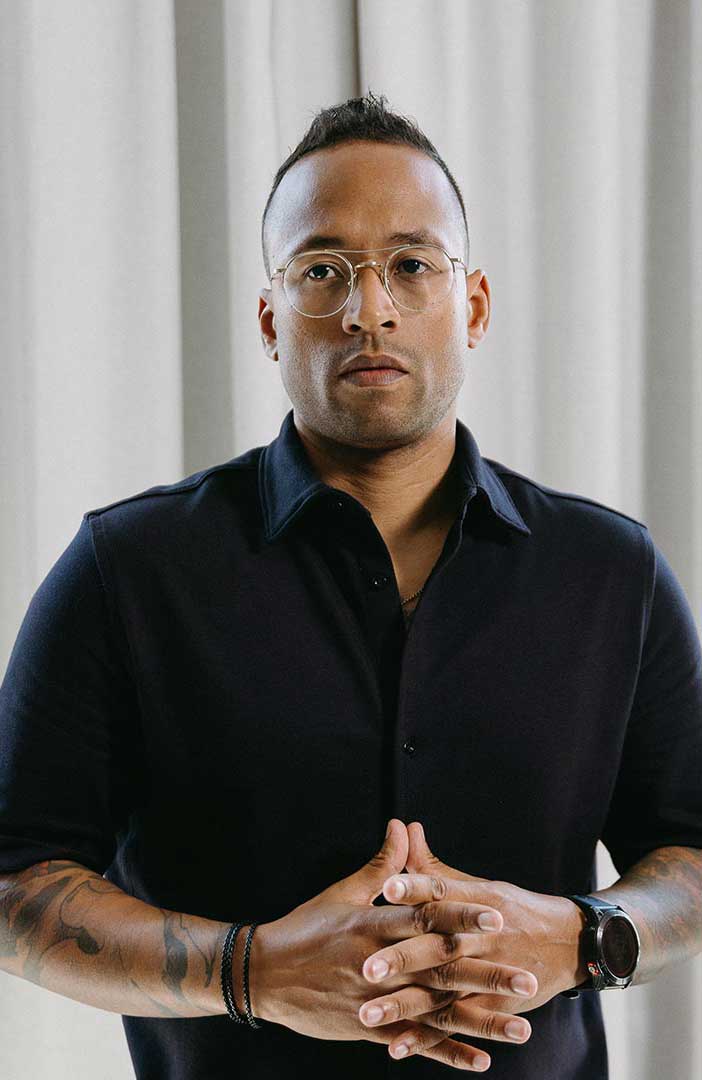

Julian Tillotson is the Founder & CEO of INDIRAP, a full-service video production and creative strategy agency based in Chicago, IL. With 10+ years of experience, INDIRAP has delivered 20,000+ videos to 900+ clients across 40+ industries, making it one of North America's leading digital creative agencies.


.png)
.png)