Corporate event video production is a different animal. Unlike studio shoots where you control lighting, timing, and environment, event videos demand real-time problem-solving, multi-camera coordination, and the pressure of capturing something that happens once and won't be repeated. One missed moment during a keynote or product launch reveal can't be reshot. The stakes are high, and the logistics are complex.
But with proper planning, the right crew, and clear expectations, event video can become one of your most powerful marketing assets. This guide walks through everything you need to know before the day arrives—from pre-event scouting to post-production turnaround to Chicago-specific venue considerations.
Not all event videos are the same. Before you book a production company, know which format (or combination of formats) you're asking for:
A 30-90 second condensed energy recap of the event. Quick cuts, music, candid moments, maybe a few seconds of the main stage action. This is social media gold. Fast turnaround (24-48 hours is standard). Requires a second dedicated editor working alongside the shoot crew to turn footage into a finished cut immediately or the next morning.
A clean recording of the main speaker(s) or presentation. Can be multi-angle (multiple cameras cutting to wide, medium, close-up). Usually edited for playback on your website or sent to stakeholders. Requires steady framing, good audio, and seamless edits between camera angles. Often includes graphics overlays (speaker name, title, company logo).
Candid conversations with attendees, speakers, or VIPs recorded throughout the event. Used for case studies, follow-up marketing, or internal documentation. Requires a dedicated videographer roaming the floor, a lapel mic on the interviewer, and a second person managing audio and framing. These can be edited into longer-form content or sliced into 15-30 second social clips.
Real-time broadcast of the event (either captured separately or captured as a by-product of a live stream). Can be multi-camera or single camera with graphics. Requires technical setup (streaming hardware, internet bandwidth, graphics operators). The recording itself becomes the archive.
A 5-15 minute edited narrative that captures the feel, energy, and key moments of the event. Includes speaker soundbites, attendee reactions, b-roll of sessions or networking, and usually a voiceover or branded intro. This is a premium deliverable (high edit time) but serves as a complete event story for stakeholder communication or annual retrospective.

The best event videos start weeks before the event, not the morning of.
Schedule a walk-through with the production company and your event planner 1-2 weeks before the event. This is non-negotiable for large venues. Walk the route attendees take (entry, registration, main session space, breakout rooms, reception areas). The DP (cinematographer) will identify natural light sources, potential shadow issues, places to hide cameras, and logistics bottlenecks. A walkthrough can save thousands in last-minute problem-solving on shoot day.
Work with your production company to create a detailed shot list. This should cover: main stage angles, key speakers or executives who will be filmed, networking/attendee moments, venue-specific elements (signage, stage setup, tech elements), and any VIP arrivals or moments. A shot list prevents the crew from missing critical moments and ensures coverage aligns with your marketing goals. It also gives the DP a roadmap for positioning cameras and managing multiple angles.
Get the event's detailed schedule: speaker names, session times, breaks, networking windows, special moments (awards, announcements, performances). This tells the crew when to be ready, when to expect key moments, and where people will be. A 30-minute gap in sessions is a perfect window for roaming interviews. The schedule also reveals timing conflicts (if your CEO speaks at the exact moment attendees move to another room, you need multiple cameras in both places).
If the venue is a dark ballroom or conference center, assess stage lighting in advance. Does the venue have a house lighting system? Can they dim for your shoot? Will your DP need to bring supplemental lighting? For events in naturally lit spaces (hotels with floor-to-ceiling windows, outdoor venues), note time of day and potential sun direction. Coordinate with the event's AV team: will they provide camera feeds from their own broadcast setup? Can your crew tap into their audio mix? This prevents duplicate work and ensures backup feeds if something fails.
Mark on your run of show which moments are critical to capture (keynote, product reveal, announcement). Also identify any no-film zones: private attendee moments, sensitive conversations, restricted areas. Brief the entire crew on these before the event starts.
Event video requires a different team structure than a scripted shoot.
Most corporate events need at least 2-3 cameras (wide shot of the full room, medium shot of speakers, close-up for reaction and detail). Some large conferences require 4-5 cameras for seamless cuts and coverage redundancy. Each camera needs an operator or be locked off on a tripod with a follow-focus assistant. More cameras mean more crew, more equipment rental, and more post-production (all those angles need to be cut together).
Audio is often the hardest part of event video. A single lavalier mic on a speaker isn't enough if you're capturing room reactions or if the speaker moves. Options: tap into the venue's audio board (cleanest option), place wireless lavs on key speakers, set up a dedicated audio operator with a mixer managing multiple wireless signals. Bad audio ruins even great visuals. Budget $500-$2,000 for professional audio capture.
Ballrooms and hotel conference rooms often have dim ambient lighting. A cinema camera can shoot in low light, but your video will look grainy and washed-out without proper exposure. The DP may bring key lights to illuminate speakers or use the existing house lights strategically. This adds equipment cost and setup time.
Professional event crews bring backup cameras, lenses, batteries, and storage cards. If one camera fails mid-keynote, they switch instantly. Budget-conscious crews don't have backup; if gear fails, you lose footage. This is a hidden cost difference between cheap and professional event coverage.
A 2-camera crew runs $2,500-$5,000+ for the day. A 3-4 camera setup with audio engineer and interviews runs $5,000-$10,000+. These are day rates only; post-production editing is separate.
The crew should arrive 2-3 hours before attendees. This gives time to set cameras, test audio, identify last-minute lighting issues, and brief the team on the run of show one more time.
Let event staff know where cameras will be positioned. Some venues have rules about mic placement or where tripods can go. Security may want to vet cameramen. Getting permission upfront prevents interruptions mid-event.
A good event crew is invisible. They position cameras to get great shots without blocking attendees' sightlines. Roaming videographers move quickly through crowds capturing candid moments without disrupting the event flow. This is where experience matters—a junior crew might block speakers, bump into attendees, or miss key moments.
The CEO arrives 20 minutes late. The main stage lights cut to black mid-speech. A speaker moves to an unexpected spot. Professional crews adapt. They know camera positions to pivot, have backup lighting, and can follow the action without losing focus. Budget constraints sometimes force smaller crews who can't adapt as quickly.
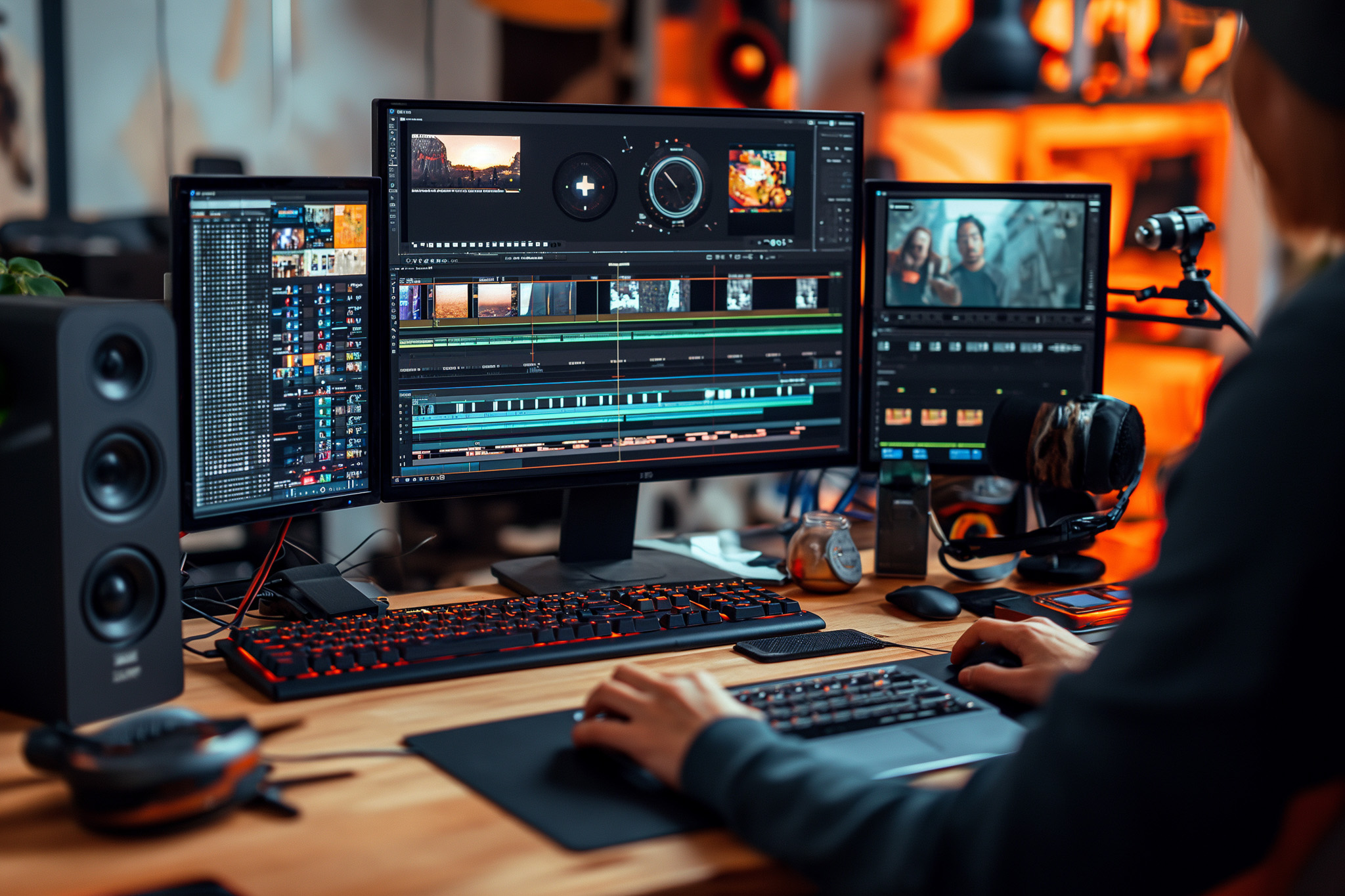
Many companies want a 30-60 second highlight reel posted to social media within 24 hours of the event. This requires advance planning: the production company brings an editor on-site or immediately after, who can work late into the night or early morning turning raw footage into a finished clip. Quick turnaround commands a premium cost (add $1,500-$3,000+ to your budget). It's worth it for social momentum.
A complete 5-15 minute recap that tells the event story takes 100-300 hours of editing (longer videos, more b-roll integration, sound design, color grading). Budget 3-4 weeks for delivery if you're happy with a functional edit. Ask for expedited service (2 weeks) if you have a deadline; expect to pay more.
Once the full video is done, extract 15-30 second clips optimized for LinkedIn, Instagram Reels, and YouTube Shorts. These versions get shorter intros, text overlays, and captions. Some editors include 2-3 social cuts in the base fee; more require add-on fees ($200-$500 per additional cut).
Clarify upfront what formats you need: web video (H.264 MP4), TV broadcast (ProRes or DNxHD), social (vertical and square aspect ratios), and archives (high-resolution masters). Each format requires different export settings. Specifying this upfront avoids re-export fees later.
You planned a 6-hour event; the crew should stay for the full 6 hours PLUS setup and breakdown. That's often 8-9 hours on-site. If your crew is budgeted to leave at 4pm and the keynote runs until 4:30, you miss the money moment. Be clear on all-inclusive hours.
Cameras capture the room's ambient noise, echoes, and low speaker volume. If the speaker isn't mic'd and the crew is 30 feet away, the audio will be bad. Always budget for wireless lav mics on key speakers. This is the most common complaint about event videos.
A single camera locked on the main stage misses attendee reactions, VIP arrivals, and networking moments. The video feels flat. Multiple angles and roaming coverage add production cost but dramatically improve the final product.
If you don't specify "I need a 90-second highlight reel for social AND a 6-minute full recap" upfront, the editor will deliver one format and charge extra for the second. Get this in the proposal.
If your only camera dies during the keynote, there's no keynote footage. Professional crews bring redundancy. Cheaper crews don't. It's a risk.
Chicago hosts major conferences, summits, and corporate galas in venues with distinct production requirements:
North America's largest convention center. Massive room, union stagehands, built-in AV infrastructure. Can be challenging for handheld movement (distances are huge). Great for multi-camera setups with clear sightlines. Union rules may apply (fees for stage access or AV coordination). Parking can be a nightmare; build extra crew arrival time into the schedule.
Downtown, modern ballrooms, excellent lighting control, on-site AV team. Cooperative with film crews. Good for mid-size to large events. Tight vertical spaces (watch for ceiling height and tripod clearance). Validated parking helpful.
Multipurpose arena, good for large conferences and product launches. High ceilings, professional lighting. Can be cold in winter. Requires coordination with arena management. Good acoustics for audio capture.
Scenic outdoor or semi-outdoor spaces. Window light is beautiful but changes throughout the event (sun angle). Wind can affect audio. Permits required. Great for gala ambiance. Winter filming is tough (cold, unpredictable light).
Restored warehouses, art galleries, rooftop venues. Natural brick and wood backdrops are visually rich. Often have uneven lighting (some areas dim, others bright). Smaller crews work better in tight spaces. Location fees may apply.
A well-executed event video amplifies the event far beyond the day itself. It lets stakeholders who couldn't attend experience the keynote. It provides social content for weeks after. It becomes part of your company's permanent record. The investment in planning, crew, and post-production pays off in evergreen marketing assets. The companies that get event video right treat it as seriously as the event itself—because it is.
Planning a corporate event in Chicago and need a crew that can keep up? See INDIRAP's corporate video portfolio and book a free discovery call to talk through your event.
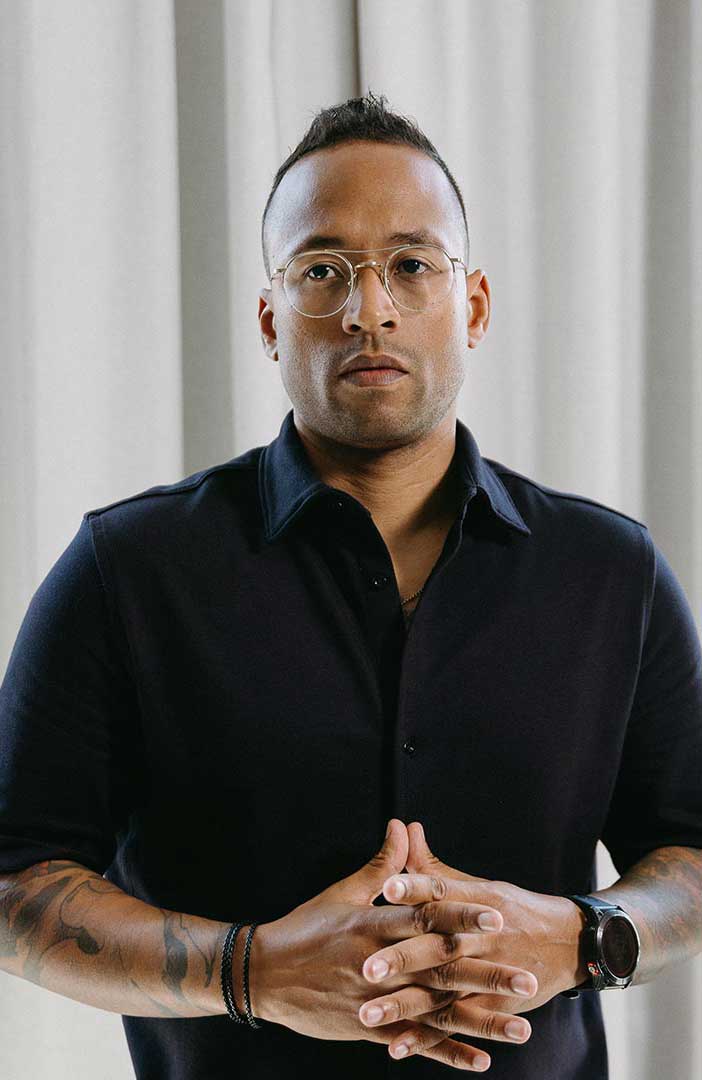

Julian Tillotson is the Founder & CEO of INDIRAP, a full-service video production and creative strategy agency based in Chicago, IL. With 10+ years of experience, INDIRAP has delivered 20,000+ videos to 900+ clients across 40+ industries, making it one of North America's leading digital creative agencies.


.png)
.png)