If you've started researching brand photography for your business, you've probably noticed that pricing information is hard to find. Most photographers don't publish their rates publicly, and the quotes you do get can vary by thousands of dollars with no clear explanation of why.
This guide breaks down branding photography pricing in plain terms — what actually drives cost, what a typical session includes at different price points, and how to figure out what kind of investment makes sense for your specific situation.
Whether you're a solo entrepreneur building a personal brand, a small business launching a new service, or a marketing director at a mid-size company planning a full visual identity refresh, understanding how brand photography is priced will help you budget accurately and avoid surprises.
Brand photography — sometimes called branding photography or commercial brand photography — refers to professional photo content created specifically to represent your business across marketing channels. This is distinct from personal headshots (which focus on an individual's professional image) or product photography (which isolates physical products against neutral backgrounds).
Brand photography encompasses the broader visual story of your business: your team in action, your workspace or location, your tools and process, your products in lifestyle context, and the atmosphere or culture that defines who you are. Done well, it gives you a consistent visual language to use across your website, social media, email campaigns, print materials, and advertising.
No two brand photography projects have the same price because no two projects have the same scope. These are the variables that drive cost the most.
The more looks or environments you want to capture in a single session, the more time the shoot requires. A session with one person in one outfit in one location is a half-day project. A session with a team of six, three different outfit changes per person, and four different environments — including a product shot setup, an office environment, a lifestyle location, and a studio — is a multi-day project.
When you're planning your brand shoot, the first honest question to ask is: how many distinct visual environments do we need? That number, more than almost anything else, determines the scope of the project.

Studio sessions give the photographer complete control over lighting, background, and environment. They're predictable, efficient, and ideal for products, headshots, and controlled brand imagery. Studio rental costs are typically factored into the photographer's quote if they own or rent a space, though some studios are billed separately.
On-location shoots — at your office, a rented venue, a coffee shop, a park, or any other real-world environment — offer authenticity and visual variety that a studio can't fully replicate. They also add logistical complexity: scouting time, travel, dealing with ambient lighting you can't fully control, and occasionally permit or access fees for certain public or commercial spaces.
Many brand photography projects combine both. A typical setup might involve a studio session for clean product and headshot work in the morning, followed by an afternoon on-location shoot for lifestyle and environment content.
Some photographers price by the image — you pay for a base number of edited finals and add on from there. Others include a set number of finals in a day rate and charge for additional selections. Still others deliver everything from the shoot, fully edited, as a package.
Know before you book how many final images are included, what "fully edited" means (basic color correction vs. advanced retouching vs. composite work), and what the process looks like for selecting the finals you want from the raw shoot. These terms vary significantly between photographers and should be explicit in any agreement you sign.
Most commercial photography involves a licensing agreement that specifies how and where you can use the images. A brand session for a small business owner using photos only on their own website and social media typically includes broad personal/commercial use rights.
If you plan to use images in paid advertising — particularly at scale, or for extended periods — usage licensing may be negotiated separately and can add meaningful cost to the project. This is especially relevant for companies planning large advertising campaigns, product launches across national media, or work where the images will be licensed to third parties.
For most small and mid-size businesses doing a brand shoot for website, social, and collateral use, standard commercial licensing is included in the quoted price. Ask the photographer to confirm explicitly.
An experienced commercial brand photographer with a strong portfolio, established client relationships, and specialized knowledge of lighting, art direction, and post-production will charge more than a newer photographer building their book. In most cases, experience is directly correlated with the reliability, efficiency, and quality of the final product.
The question to ask isn't "who is cheapest?" but "whose portfolio most closely matches the visual style I want, and whose process gives me confidence the shoot will go well?" Brand photos are often used for years across multiple channels — getting it right the first time is worth more than the savings from underinvesting.
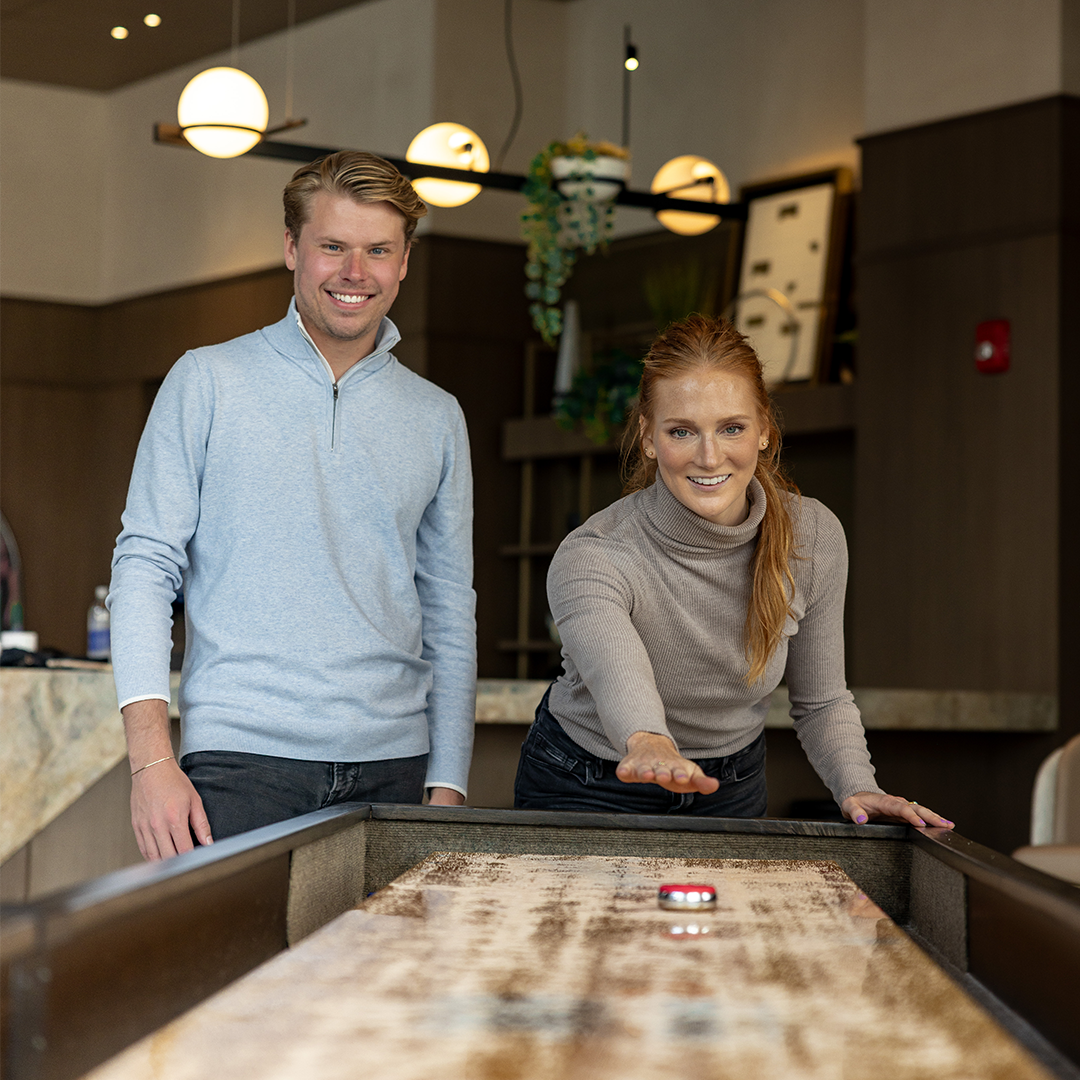
While every project is custom-quoted, here's how brand photography work is generally structured across different scopes.
Mini sessions are short (typically 60–90 minutes), single-location, and deliver a limited number of finals — often 15 to 30 images. They work well for solo entrepreneurs, coaches, consultants, and individuals who need a small set of updated brand photos without a full production shoot.
Mini sessions are not the right fit for businesses that need visual variety across multiple settings, large teams, product photography, or a significant library of images for ongoing content use. They're a starting point, not a comprehensive brand asset library.
A standard brand session typically covers a half day to a full day of shooting, one to two locations (which may include a studio component), and delivers 60–100 fully edited images. This is the most common format for small businesses, service providers, and growing companies doing their first real brand shoot.
At this level, the photographer typically includes an initial consultation to understand your brand, vision, and content goals, plus post-production with professional editing and a delivery of finals through a digital gallery.
Larger brand photography projects involve multiple shoot days, multiple locations, teams of five or more, extensive art direction, and delivery of 150 or more final images across a wide variety of visual categories. These projects often include pre-production planning, mood boarding, location scouting, and in some cases props, styling, or hair and makeup coordination.
This level of brand photography investment is appropriate for companies rebranding, launching new products or services, or building a content library that needs to last a year or more across all their marketing channels.
A well-structured professional brand session is more than a photographer showing up and clicking a shutter. Here's what a complete engagement typically includes:
Choosing between a studio and an on-location shoot — or combining both — is one of the most significant decisions in brand photography planning. Here's how each affects both cost and the final product.
Studio shoots offer control. Lighting is consistent, backgrounds are clean, and the environment is predictable. This makes studios ideal for product photography, headshots, and any imagery where a distraction-free, polished look is the goal. Studio rental fees range from roughly $100 to $500+ per hour depending on the size, location, and amenities of the space, and are typically either bundled into the photographer's rate or billed separately.
On-location shoots offer authenticity. Real environments — your office, a neighborhood, a restaurant, a workshop — add texture and context that a studio backdrop can't replicate. They also tend to produce more varied, social-media-native content. The tradeoff is that you're working with whatever light exists (which your photographer will augment with portable equipment), and location access occasionally requires coordination with venue owners or, in some cases, permit applications.
For most business brand shoots, a combination of both produces the strongest, most versatile library. Plan for studio time to capture your cleanest hero images, and on-location time to capture the personality and context of your brand in the real world.

The investment in a brand shoot pays off most when you arrive prepared. Here's what that looks like in practice.
Because the scope of brand photography projects varies so widely that a published price would be either too low (undervaluing complex projects) or too high (scaring off clients who need less). Most photographers prefer to understand the scope of a project before quoting, so the number is accurate rather than generic. That said, asking for a rough range in your first conversation is completely reasonable.
A practical starting point for a business website is 30–50 strong images, with more needed for ongoing social media use. For a company planning to post consistently across LinkedIn, Instagram, and email campaigns for 6–12 months, a library of 100+ varied images gives you real flexibility. Think about your total content demand for the next year, then work backward to figure out the scope of shoot you need.
Yes, but confirm that your licensing agreement covers paid use. Most commercial brand photography agreements for small businesses include standard commercial use. If you're planning large-scale national advertising campaigns, the usage terms should be discussed explicitly before the shoot so they're reflected in the agreement and the price.
Mini sessions run 60–90 minutes. Half-day sessions typically cover 3–4 hours of shooting time. Full-day sessions are 6–8 hours. Multi-day projects span two or more shoot days depending on scope. For reference, plan for roughly one to two hours of shooting time per location or major look change.
Standard turnaround is typically one to three weeks depending on the volume of images and the complexity of post-production. Rush delivery is often available for an additional fee. Confirm turnaround time before booking, especially if you have a website launch or campaign deadline to hit.
At INDIRAP, we work with businesses across Chicago to create brand photography that reflects who they are, communicates what they do, and produces visual content that holds up across every channel they use. Whether you need a focused half-day session or a comprehensive multi-day brand shoot, we'll help you build a content library you can actually use.
Ready to create professional visual content for your business? Explore INDIRAP's brand photography portfolio to see how we help brands build a compelling visual identity through professional photography.
Book a free, no-obligation discovery call today to talk through your brand photography project and get a custom quote.
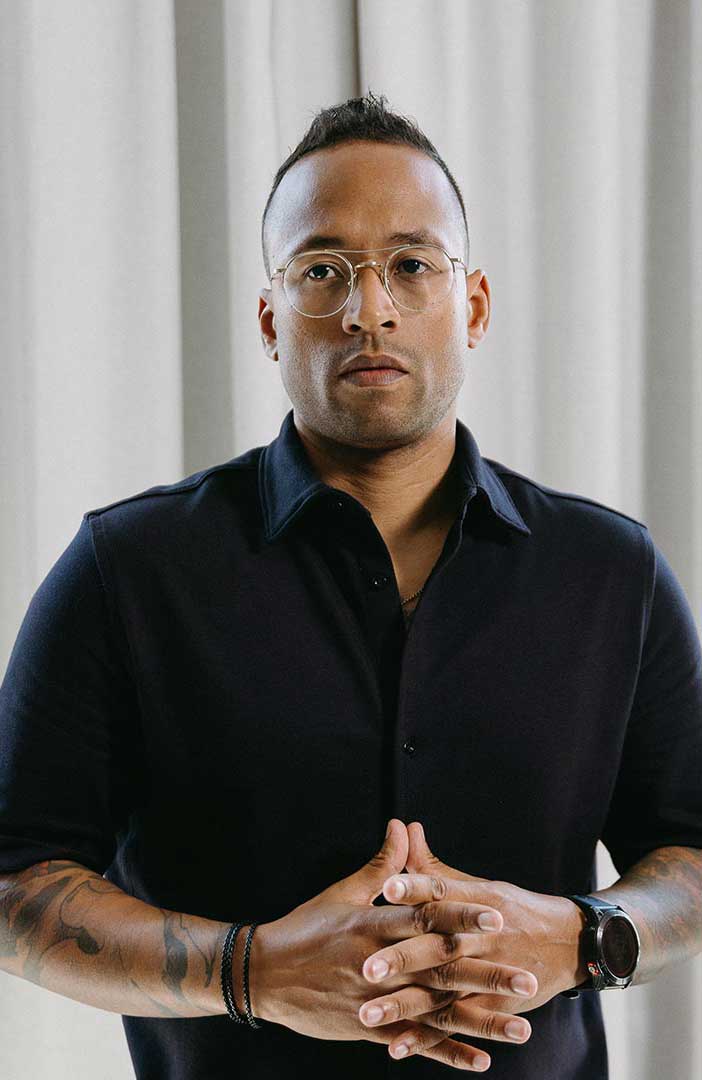

Julian Tillotson is the Founder & CEO of INDIRAP, a full-service video production and creative strategy agency based in Chicago, IL. With 10+ years of experience, INDIRAP has delivered 20,000+ videos to 900+ clients across 40+ industries, making it one of North America's leading digital creative agencies.


.png)
.png)